Turó de l'Home
Description
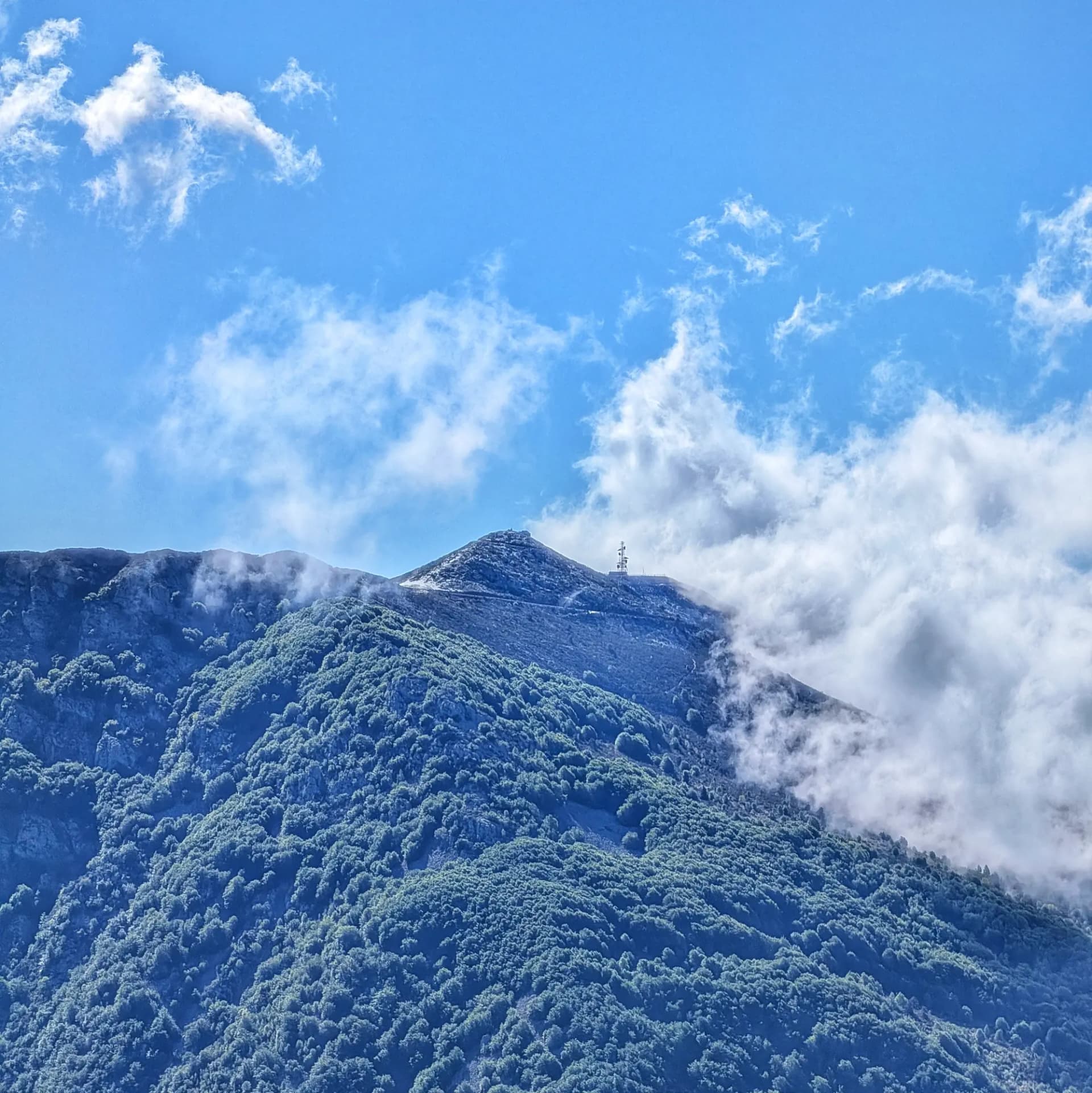
The Turó de l'Home is the highest mountain in the Montseny massif, with an altitude of 1,706 meters above sea level (masl). Located in the municipality of Fogars de Montclús (Vallès Oriental), alongside Les Agudes and Matagalls, it is one of the most emblematic peaks of the massif and acts as a watershed between the Santa Fe stream and the Tordera river.
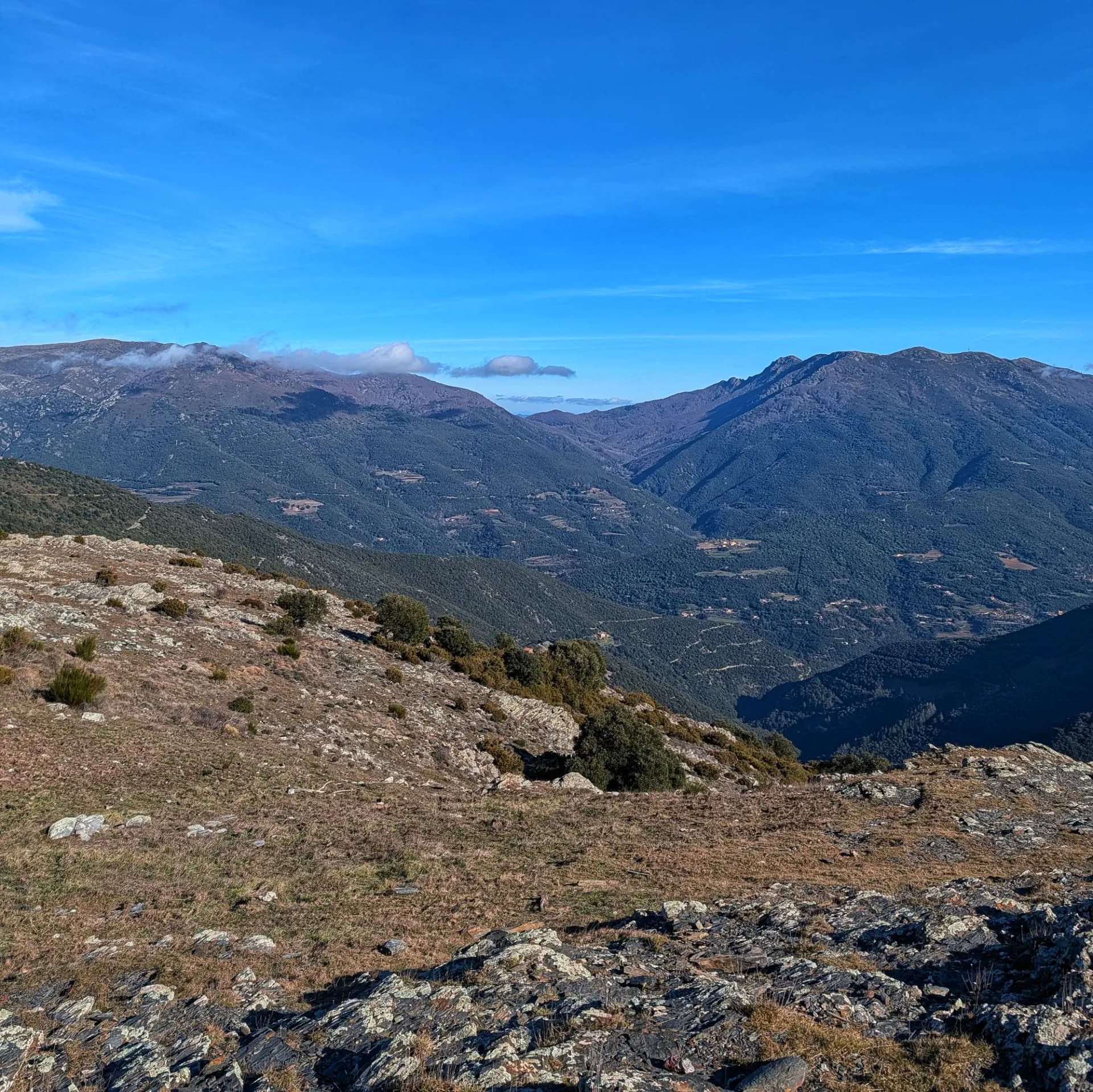
Geologically, it forms part of the Montseny's Paleozoic basement. Unlike other granitic areas, its summit is primarily composed of metamorphic rocks such as phyllites, schists, and hornfels. This area is known for its "spotted phyllites" (fil·lites pigallades), rocks transformed by the thermal effect of granitic magma intrusions. An outcrop of black slates, popularly known as "Els Rocs Cremats" (The Burnt Rocks), can also be observed.
The site experiences a humid continental climate, characterized by average annual temperatures of 6.9 °C, abundant precipitation (over 1,000 mm annually), and a high frequency of fog (241 days a year), especially in spring and autumn. These extreme conditions foster plant communities typical of more northern latitudes, including the fir forest of Passavets (Abies alba) —considered the southernmost in Western Europe—, beech forests, and subalpine scrub and meadows at higher elevations.
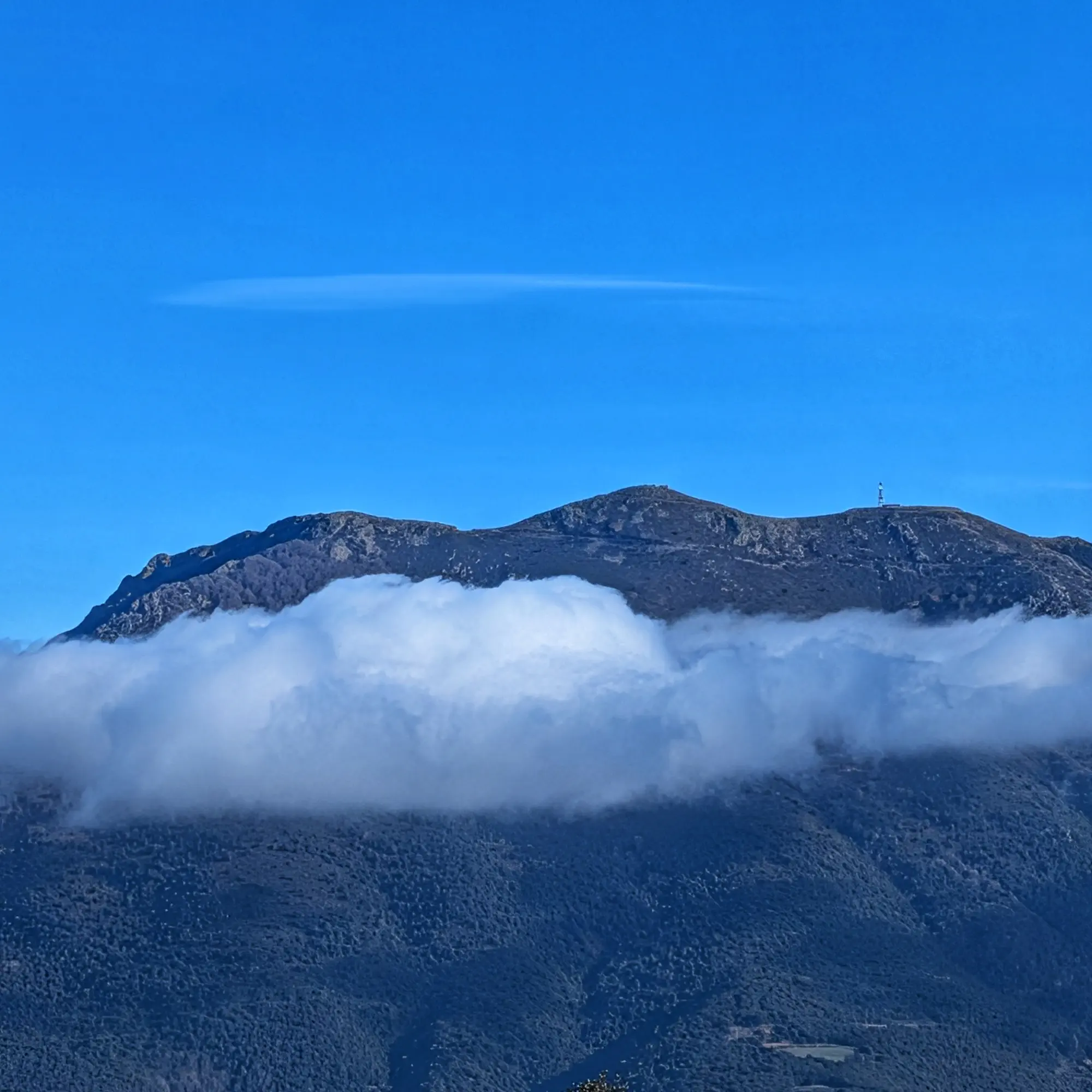
The summit bears the marks of human intervention. It hosts a historic Meteorological Observatory, inaugurated in 1932 and championed by Dr. Eduard Fontserè, making it one of the oldest mountain stations on the Iberian Peninsula. Near the summit, on Puig Sesolles, a military base was established in 1974, which significantly altered the mountain's morphology. Although the barracks were demolished in the early 2000s, a large communications antenna still remains. An asphalted road almost reaches the summit, though access is currently regulated.
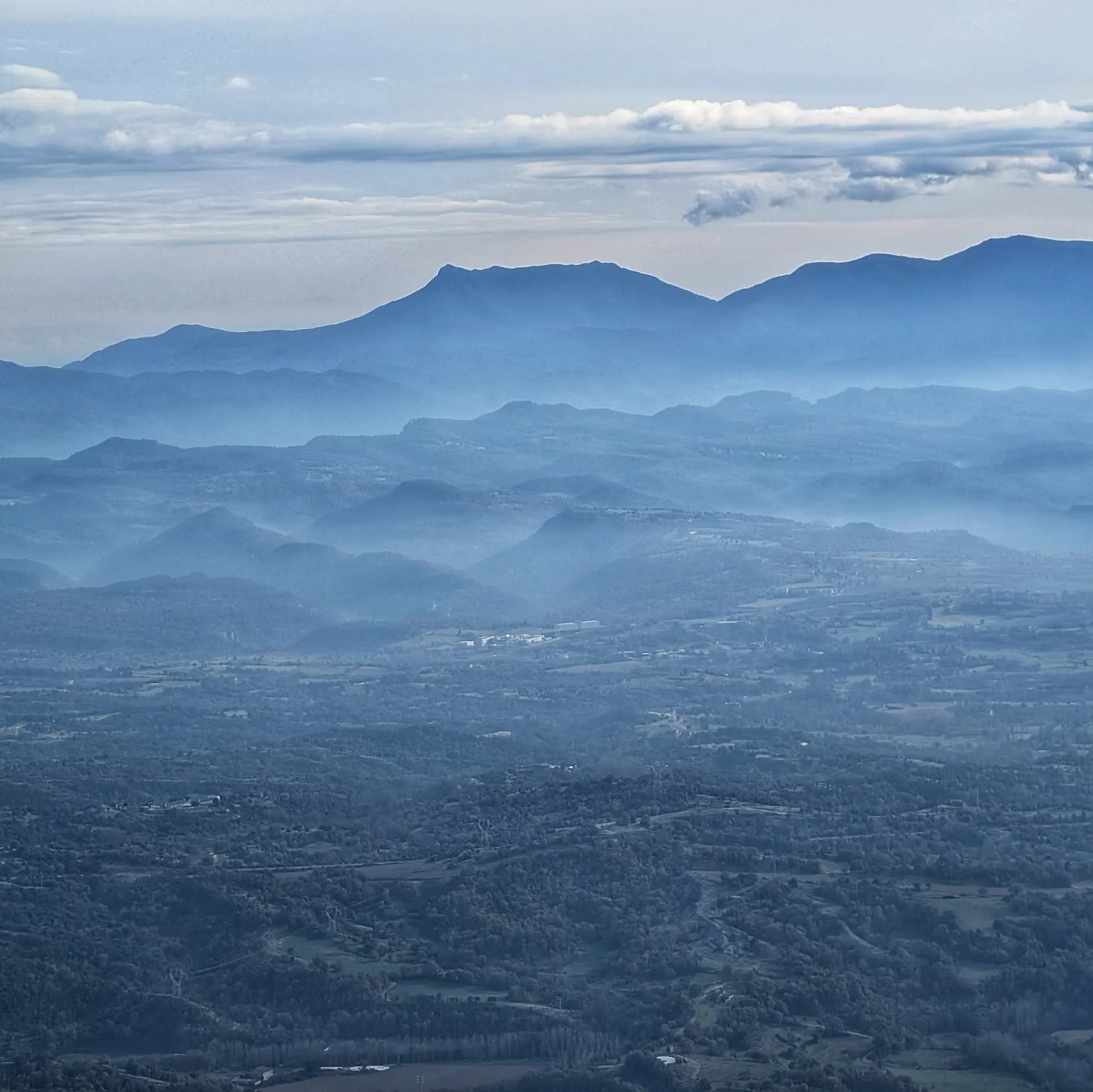
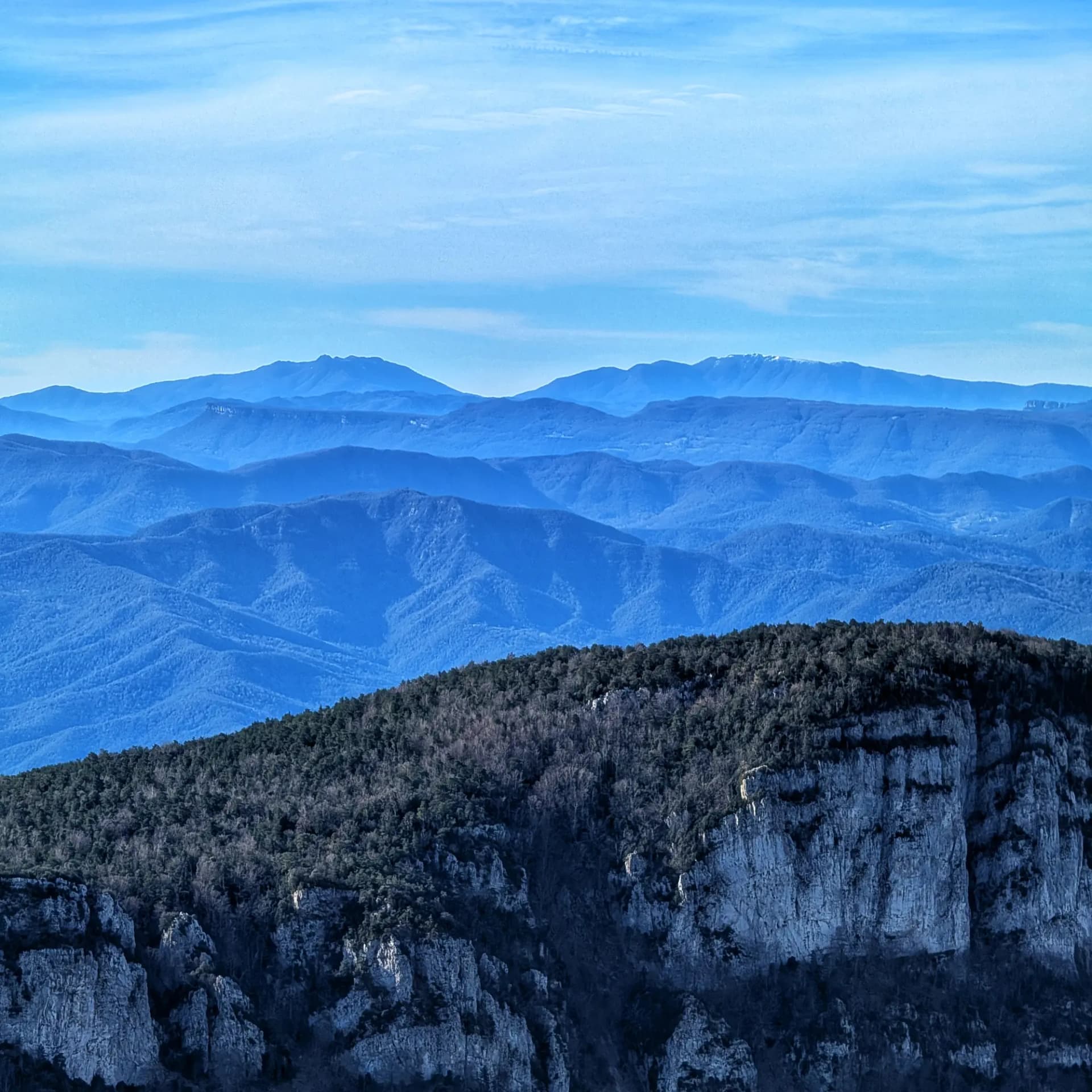
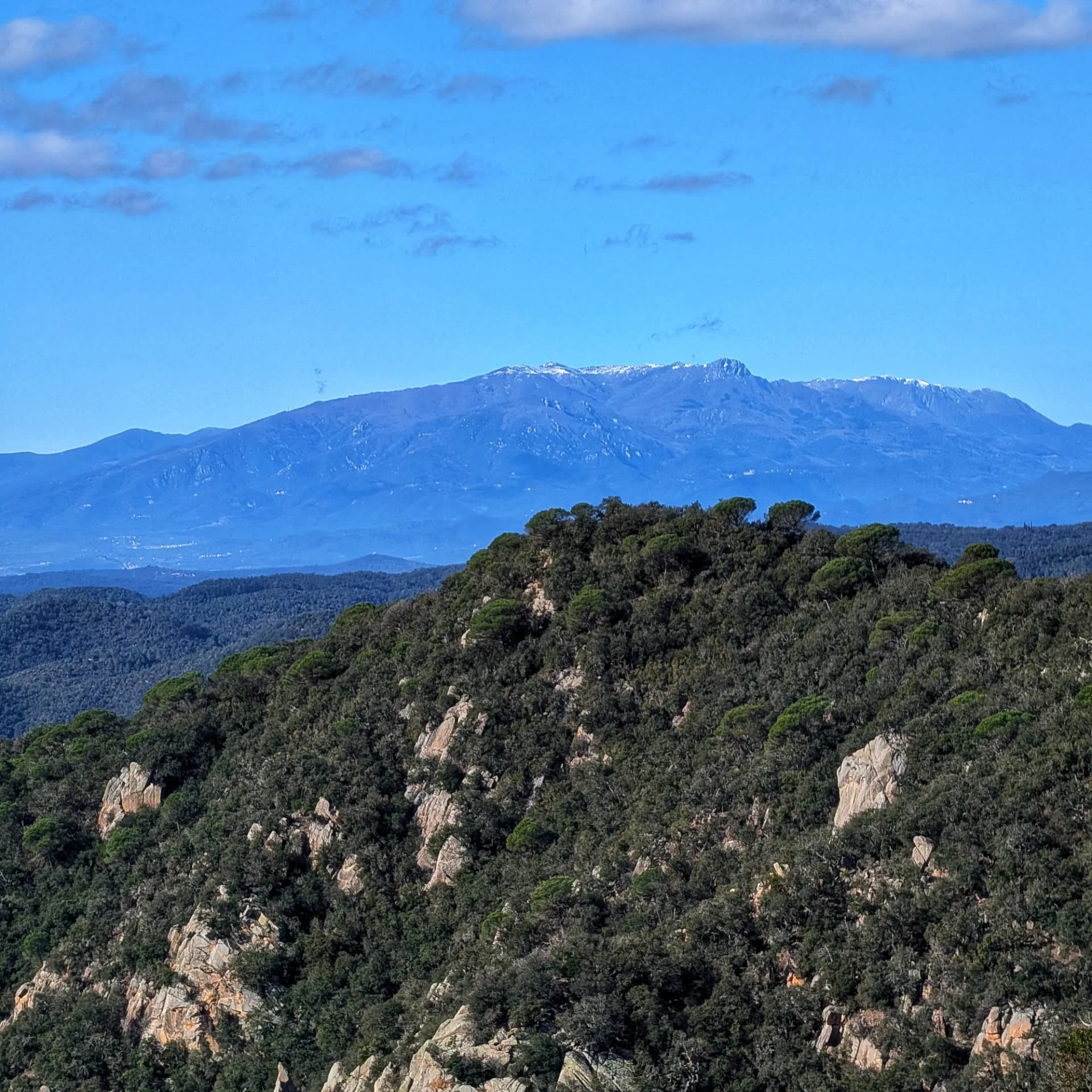
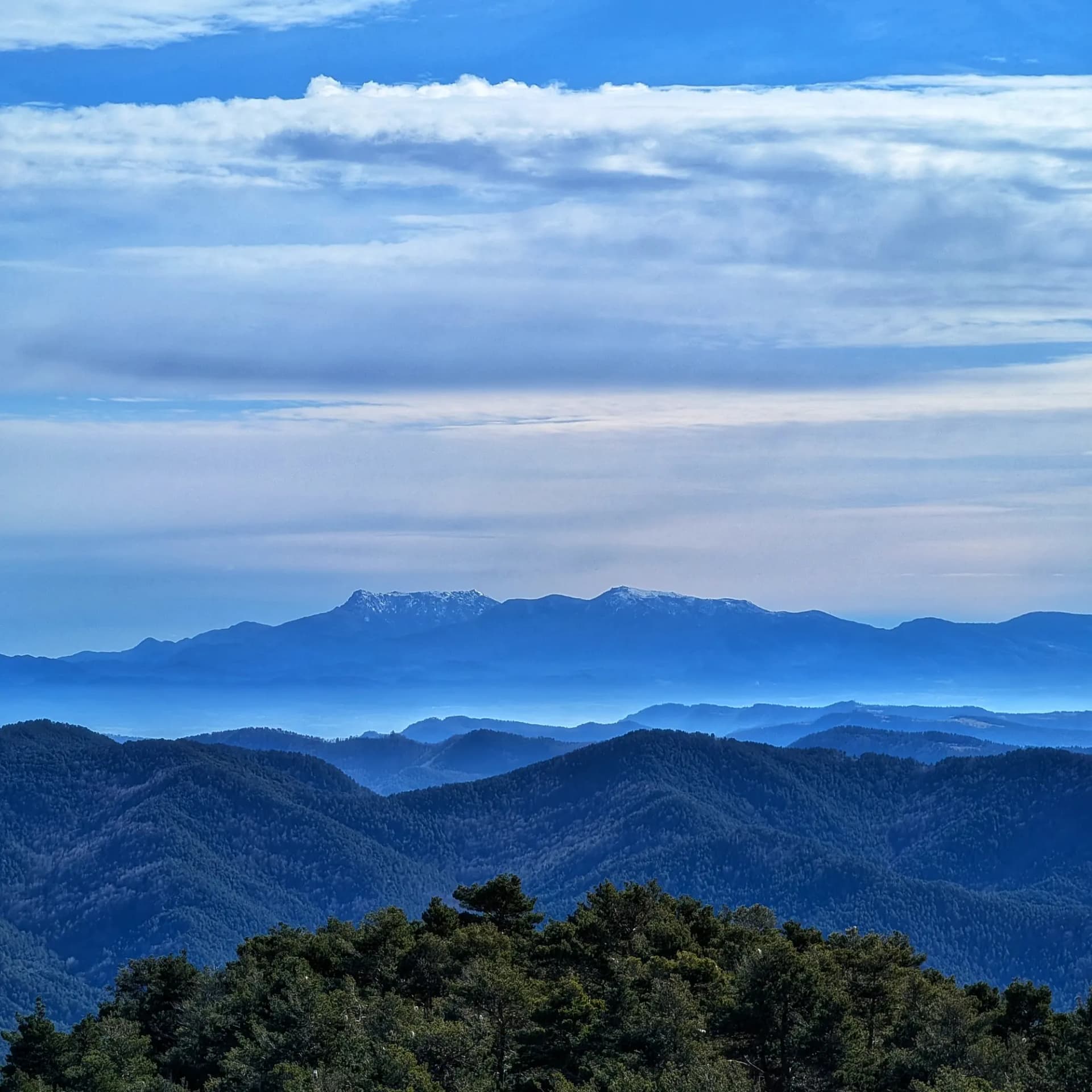
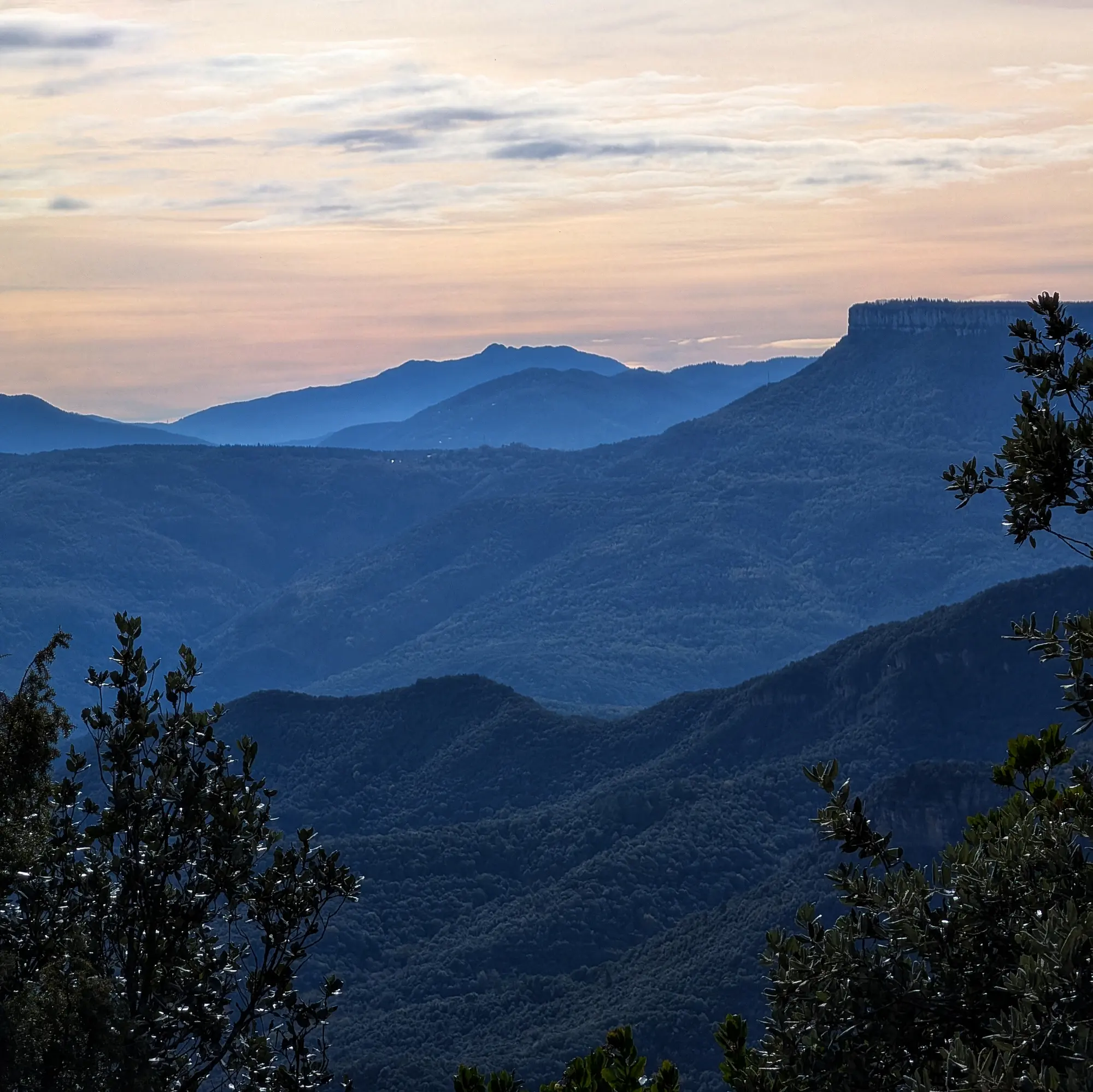
As the highest point of the massif, Turó de l'Home offers exceptional panoramic views. These include the Mediterranean Sea, the Costa Brava, the city of Barcelona, Montserrat, the Pyrenees, and the Plana de Vic. On exceptionally clear days, the Serra de Tramuntana in Mallorca can even be sighted.
Unfortunately, the summit is also remembered for tragic events, such as the crash of a Transair Dakota aircraft in August 1959, which resulted in 32 fatalities.
Map
Related trails
Browse the trails where I reached this summit.