Cephalanthera damasonium
About the Orchid
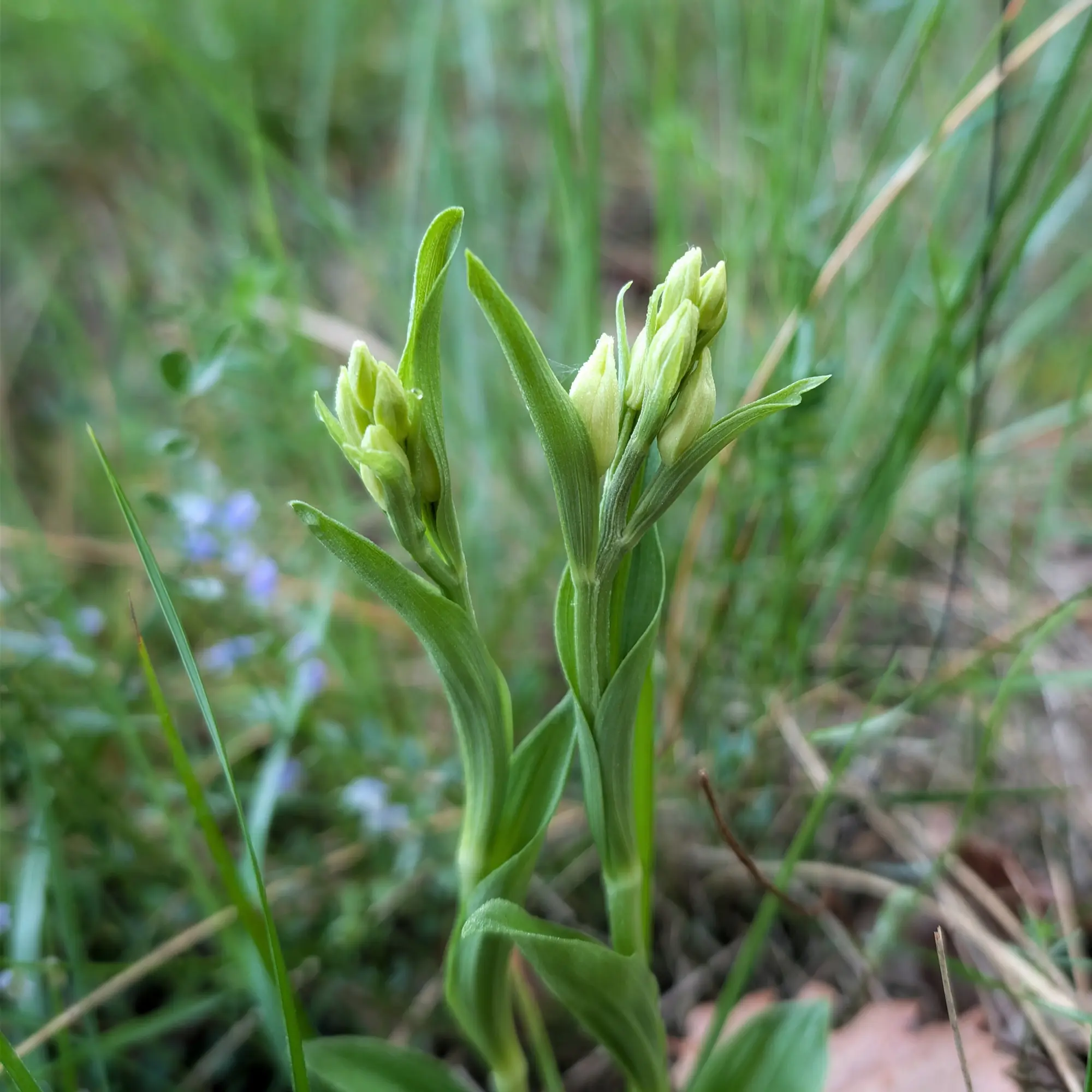
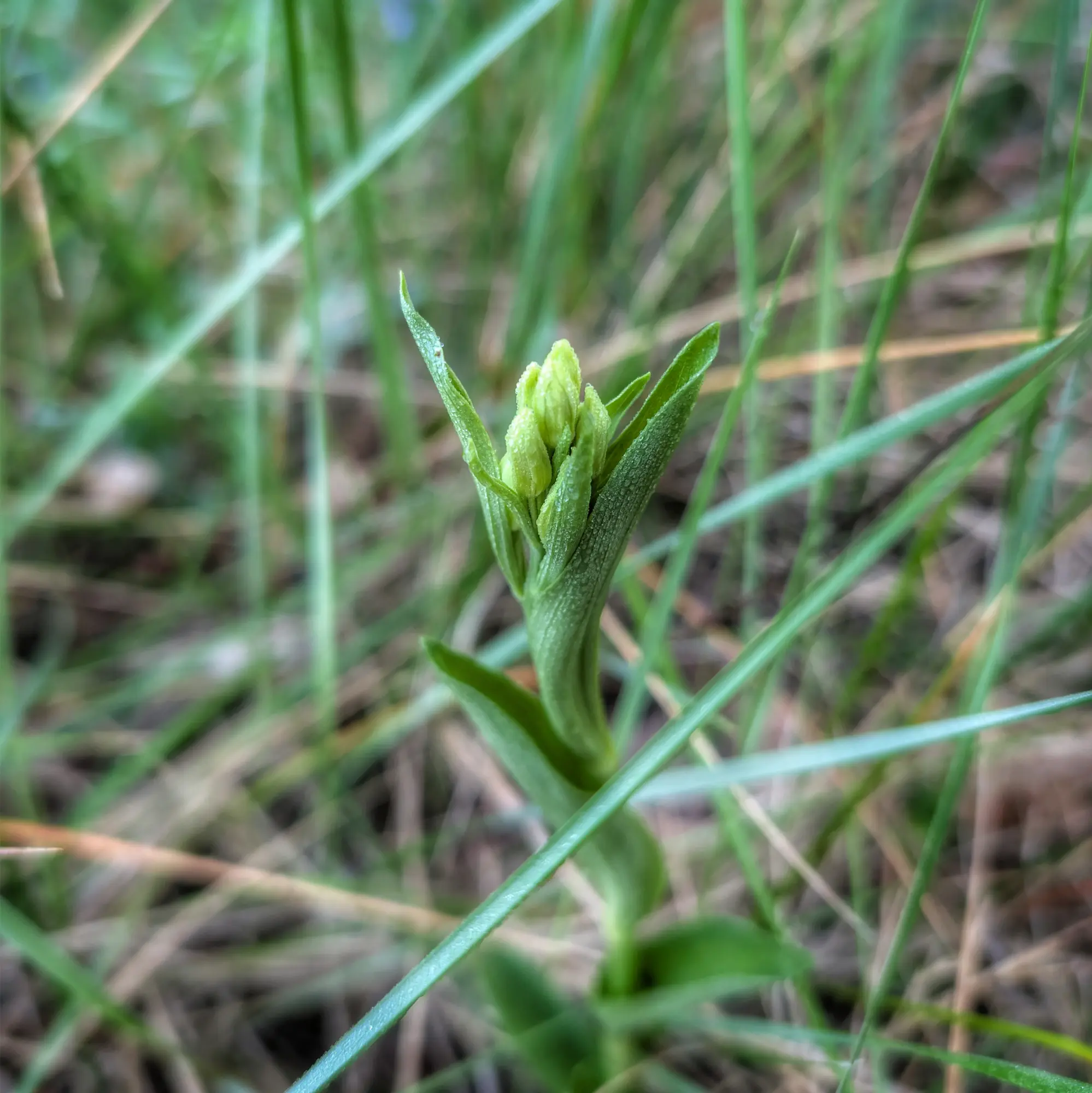
The Cephalanthera damasonium, commonly known as the White helleborine, is the type species of the genus Cephalanthera. This geophyte orchid is distinguished by its adaptation to life in shady forests, where it has developed self-pollination.
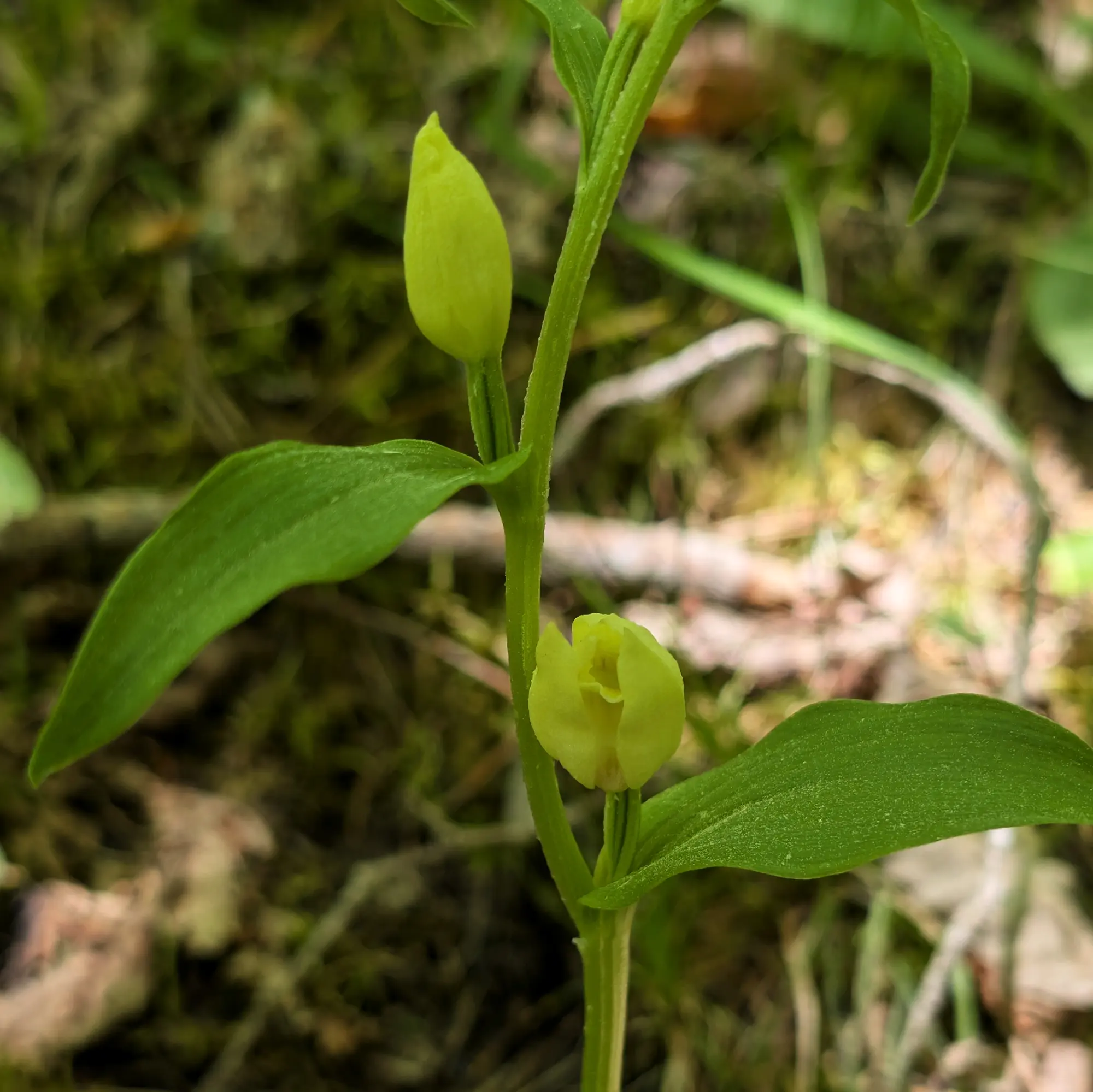
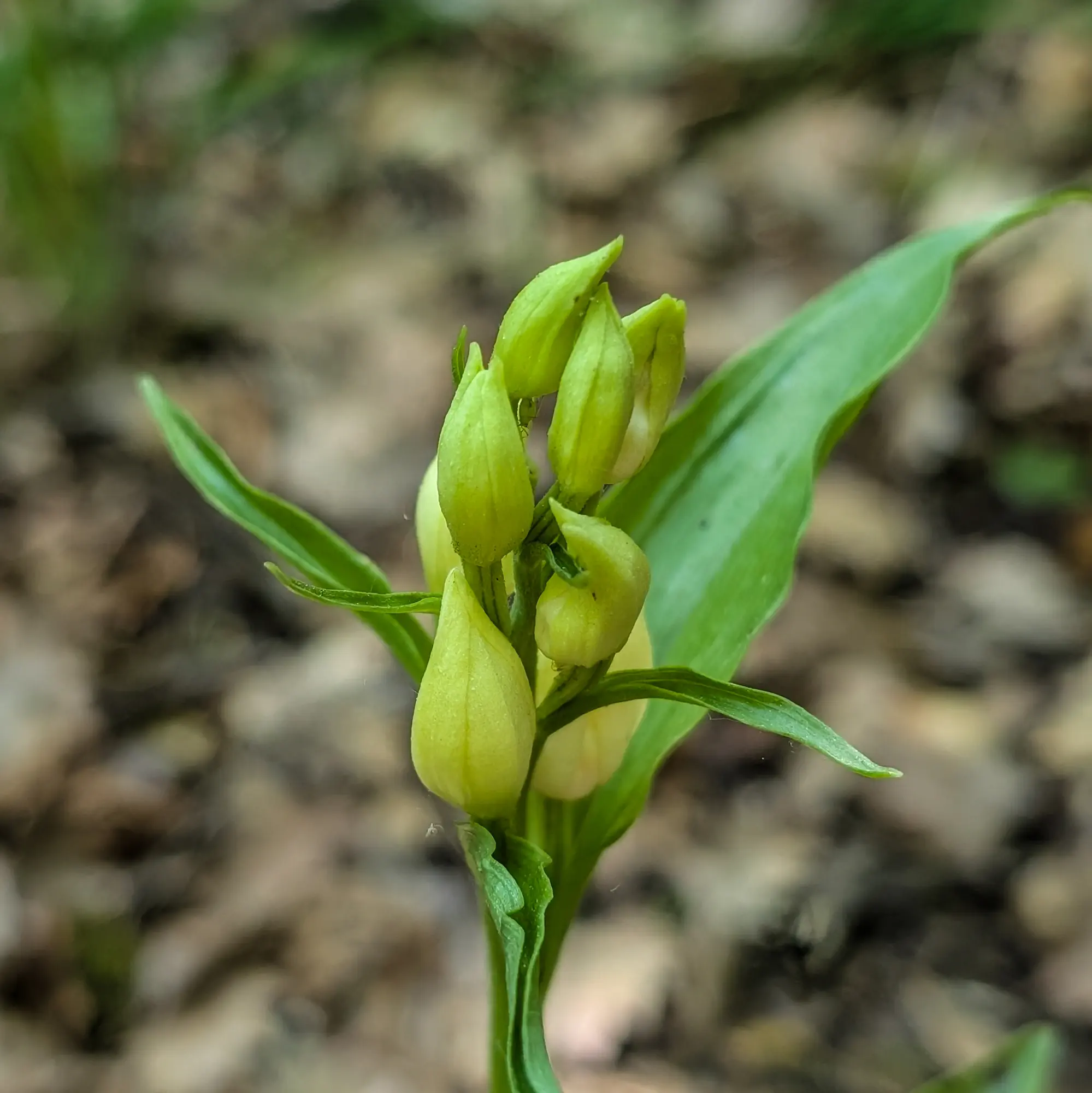
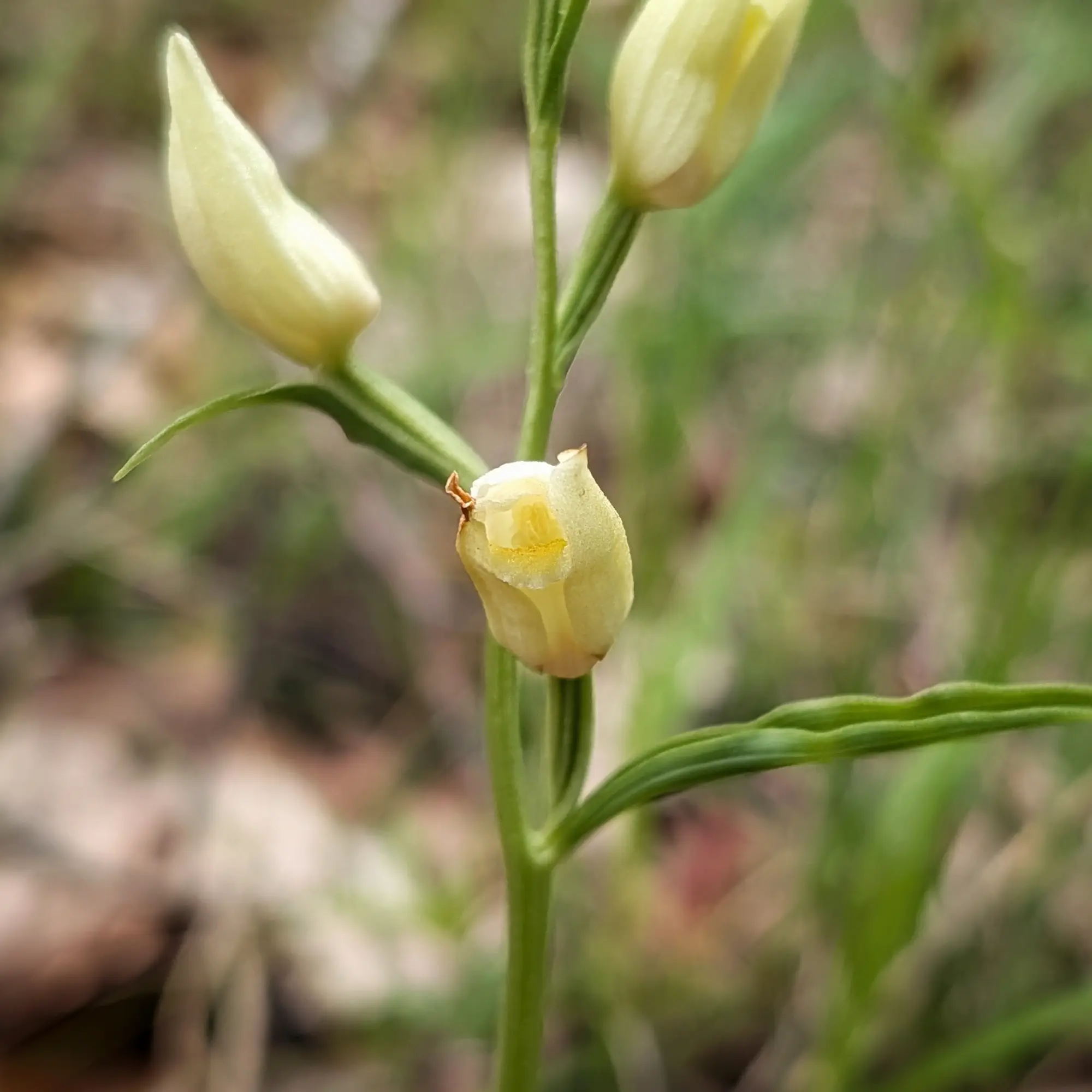
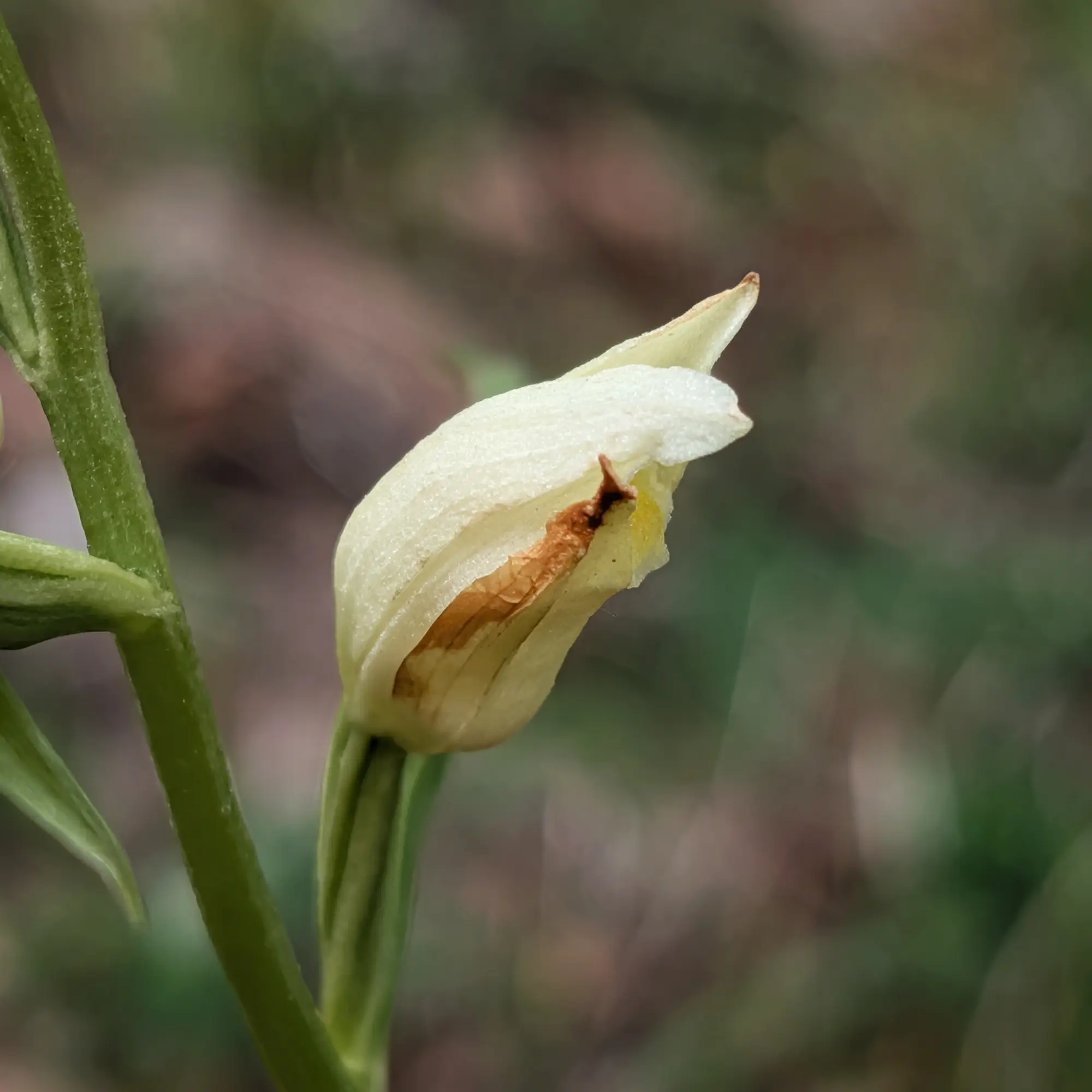
Morphological description: It is a robust plant (up to 60 cm) with a fibrous rhizome, not tubers. It presents creamy-white flowers that, characteristically, almost never open fully (connivent). This is a key trait of its biology. The inflorescence bears between 5 and 13 sessile flowers. A key identification element is found in the inflorescence: the flowers emerge from the axil of a leafy bract that is usually longer than the flower and the ovary itself. The leaves are broad (ovate to lanceolate), which helps differentiate it from its sibling, C. longifolia.
Biologia and ecology: C. damasonium is a master of reproduction in the shade, as it often practices cleistogamy (fertilization before the flower opens). It preferably grows in shady and humid places, such as beech forests, holm oak forests, and pine forests, with a preference for calcareous soils. Its flowering period occurs in spring, between May and June/July, and it is distributed across much of Europe and the Middle East.
Gallery


Related observations
Discover the observations I've made of this species.