Limodorum abortivum
About the Orchid
The Limodorum abortivum, commonly known as the Violet Limodore or Violet Bird's-nest Orchid, is a terrestrial herbaceous orchid with a unique nutritional strategy. It is a mycoheterotrophic or mixotrophic plant, meaning it is saprophytic and virtually lacks chlorophyll. For its survival, it relies on a symbiotic association with ectomycorrhizal fungi present in forest soil, mainly from the genus Russula (such as Russula delica).
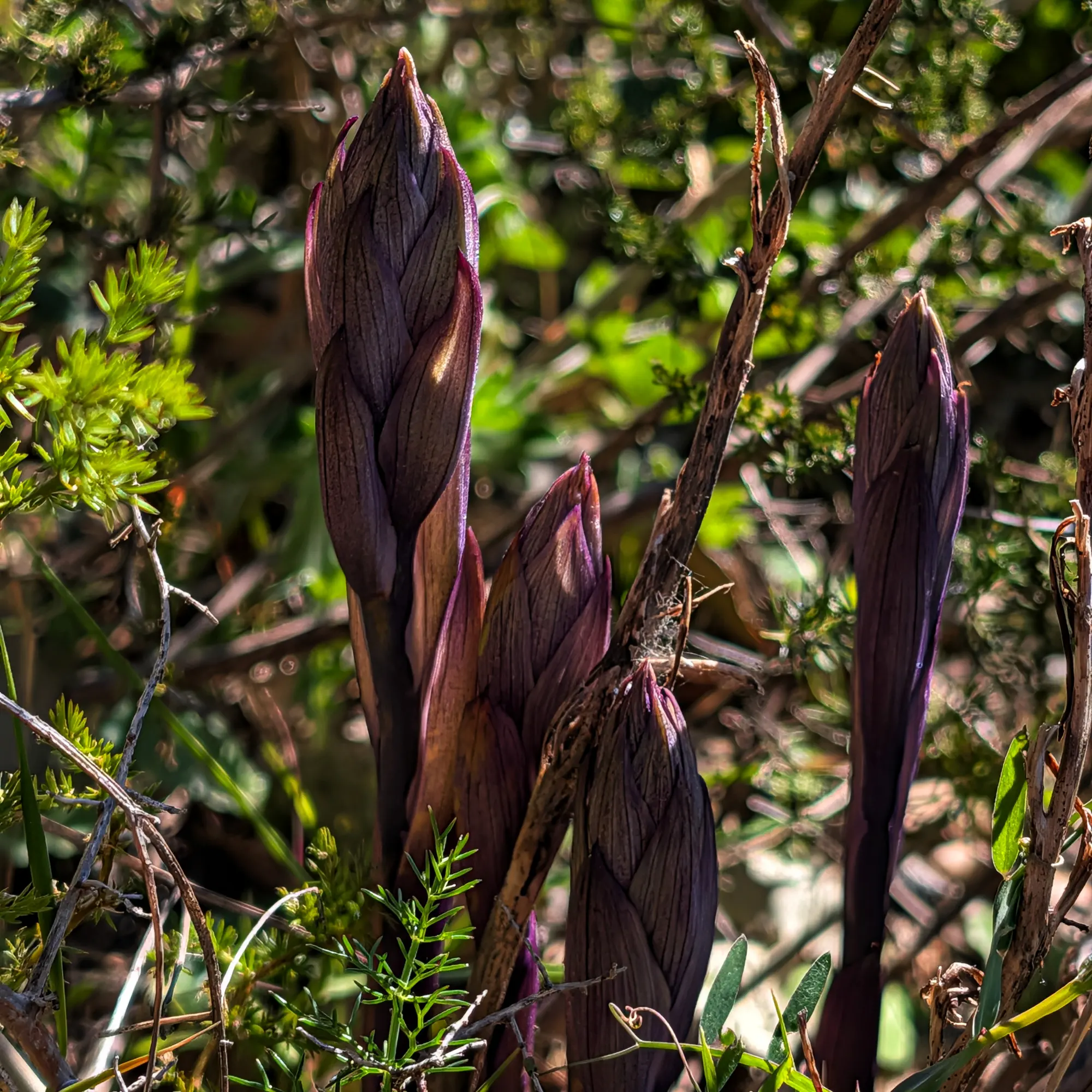
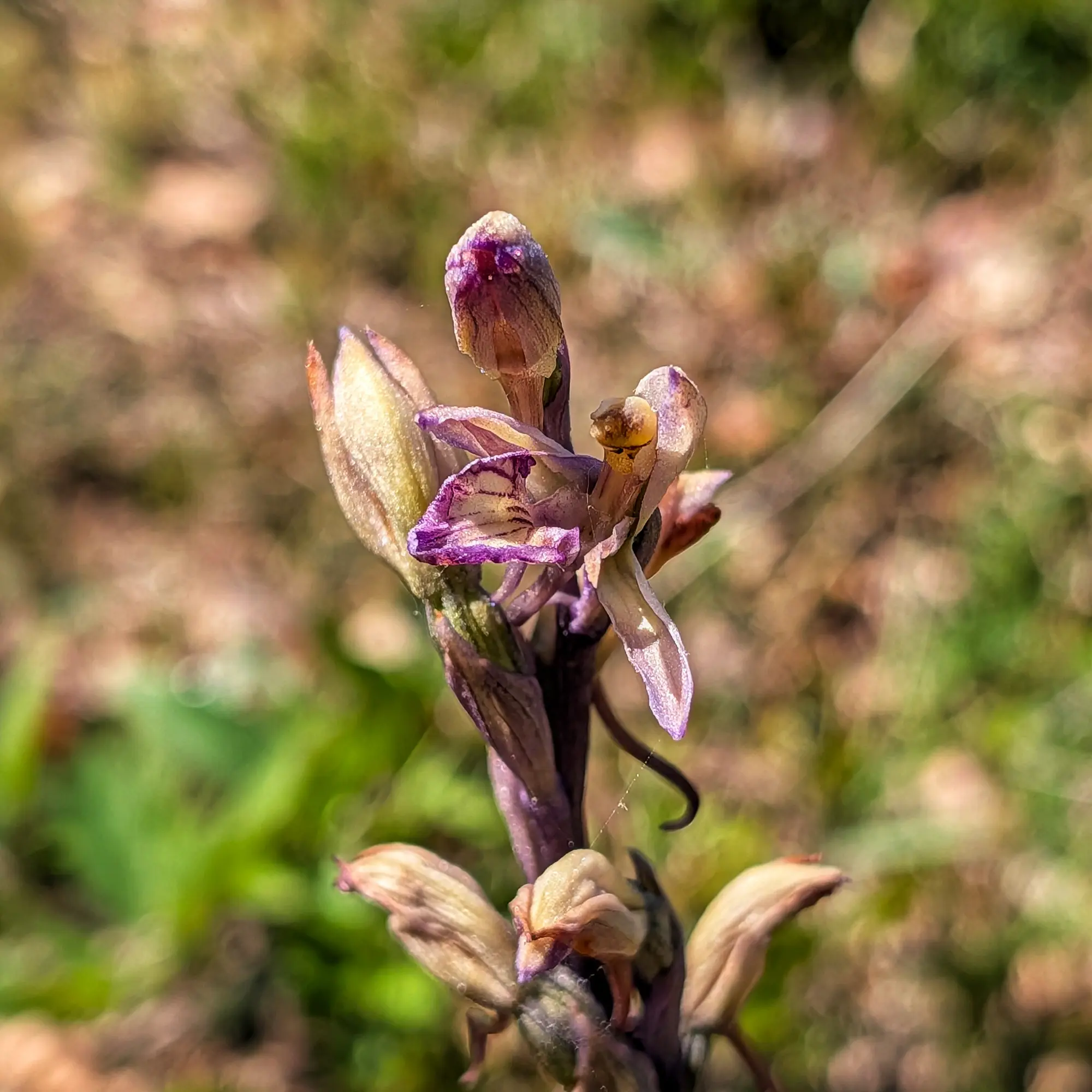
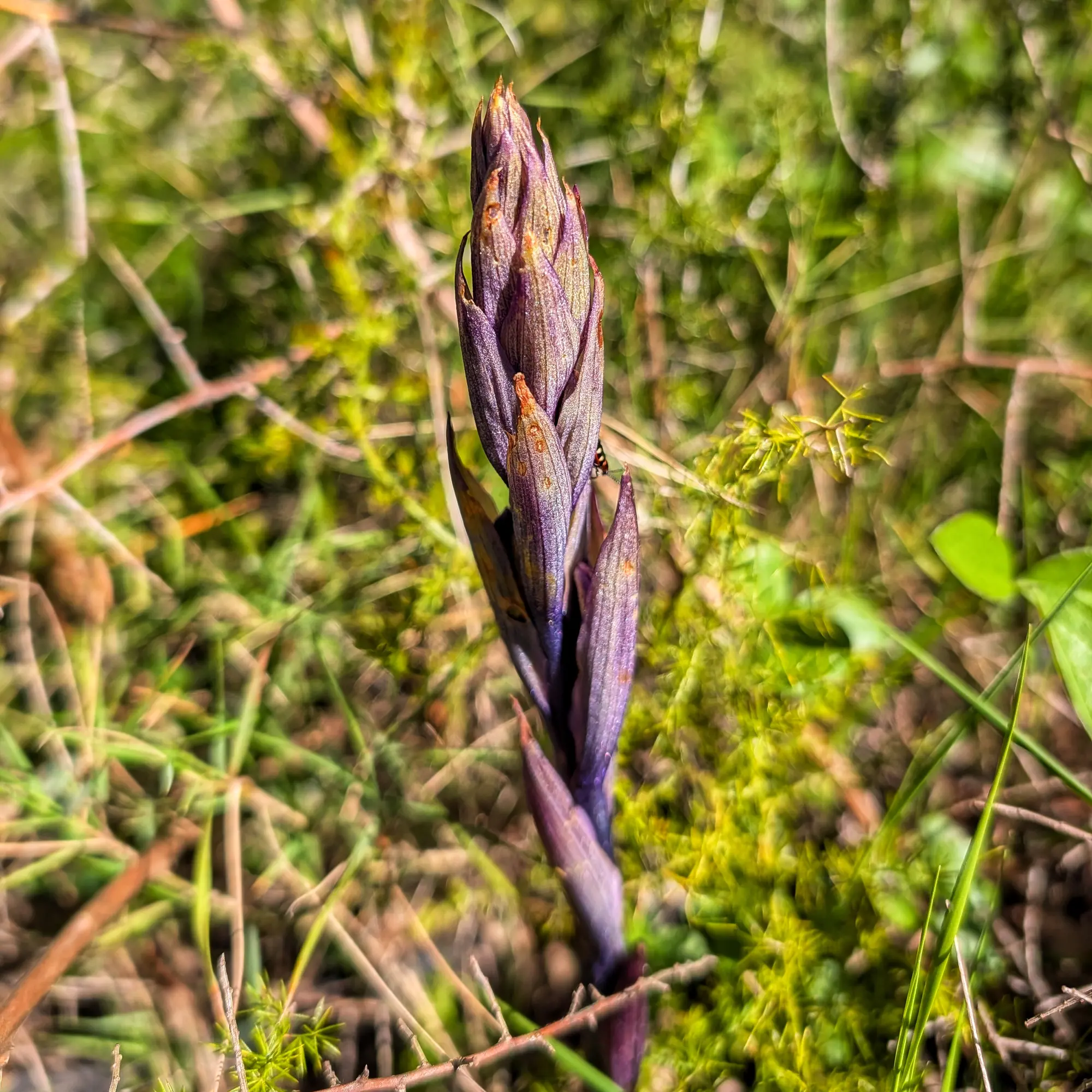
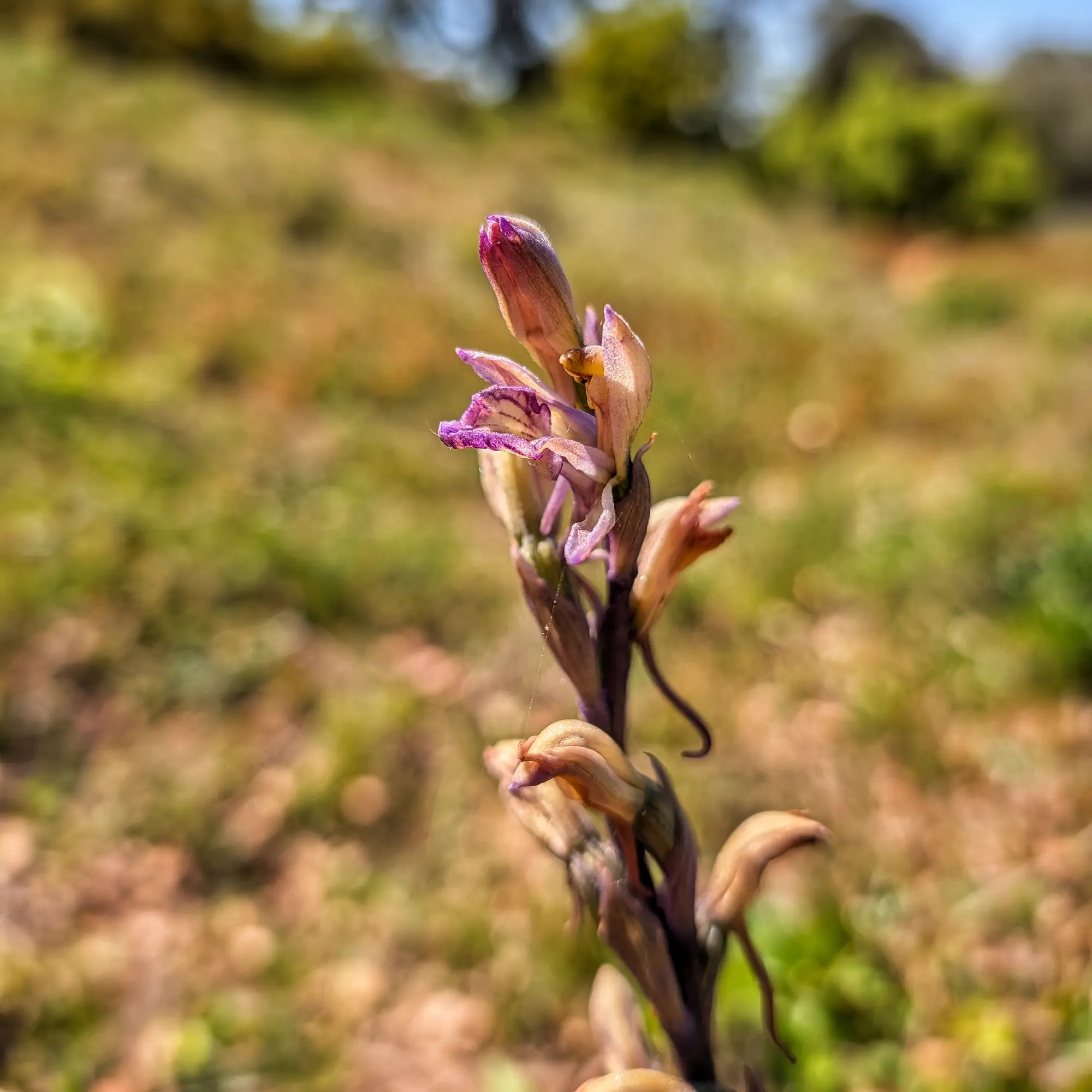
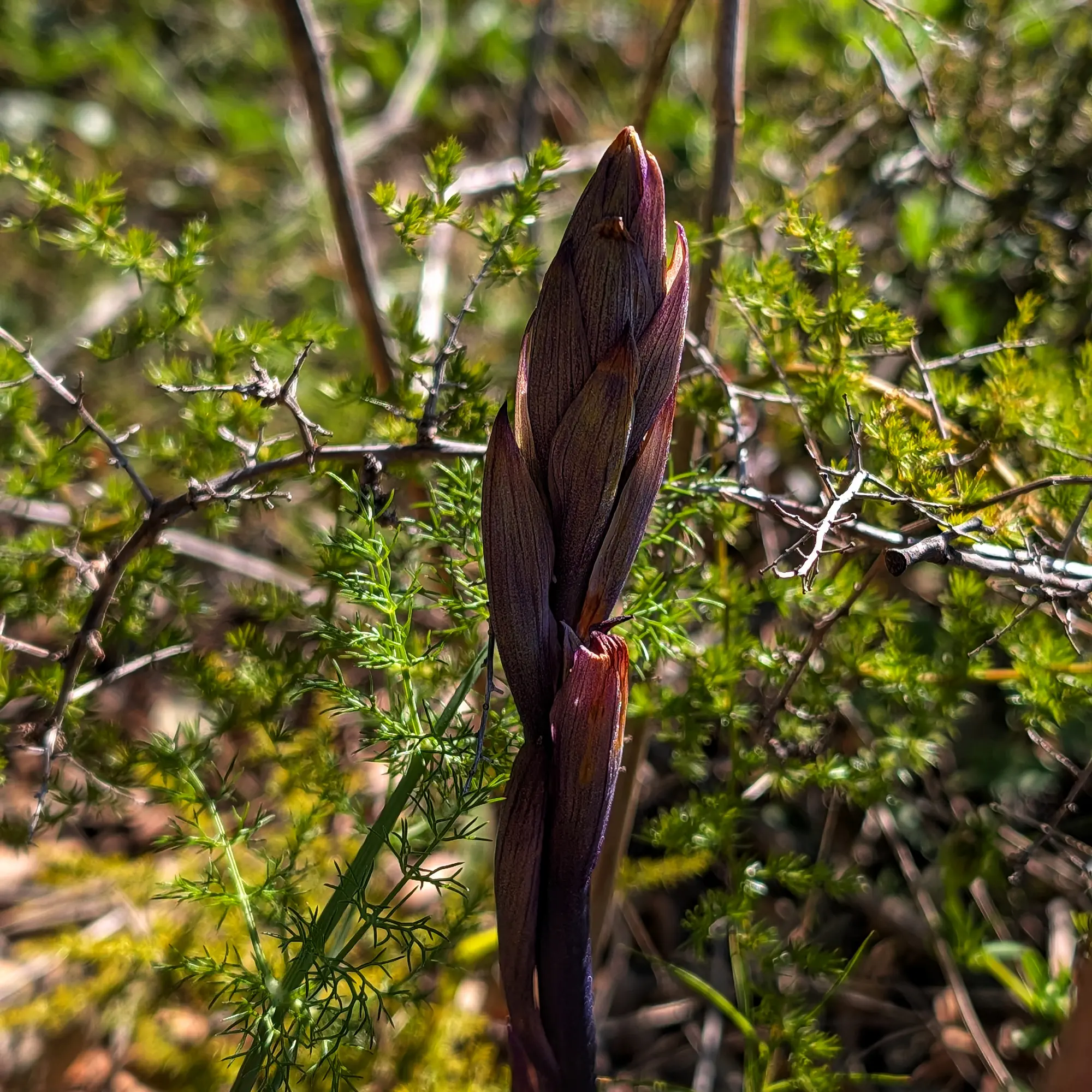
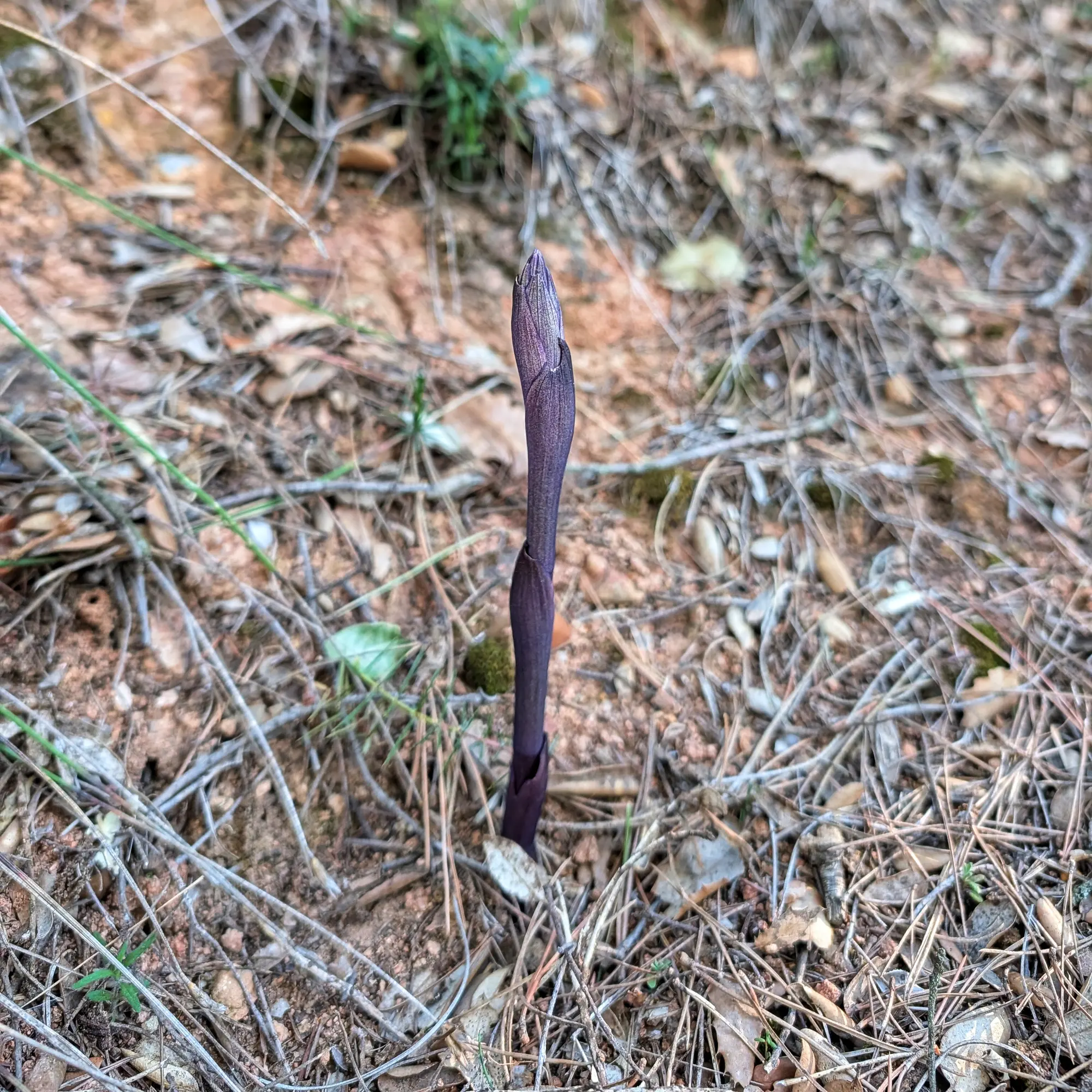
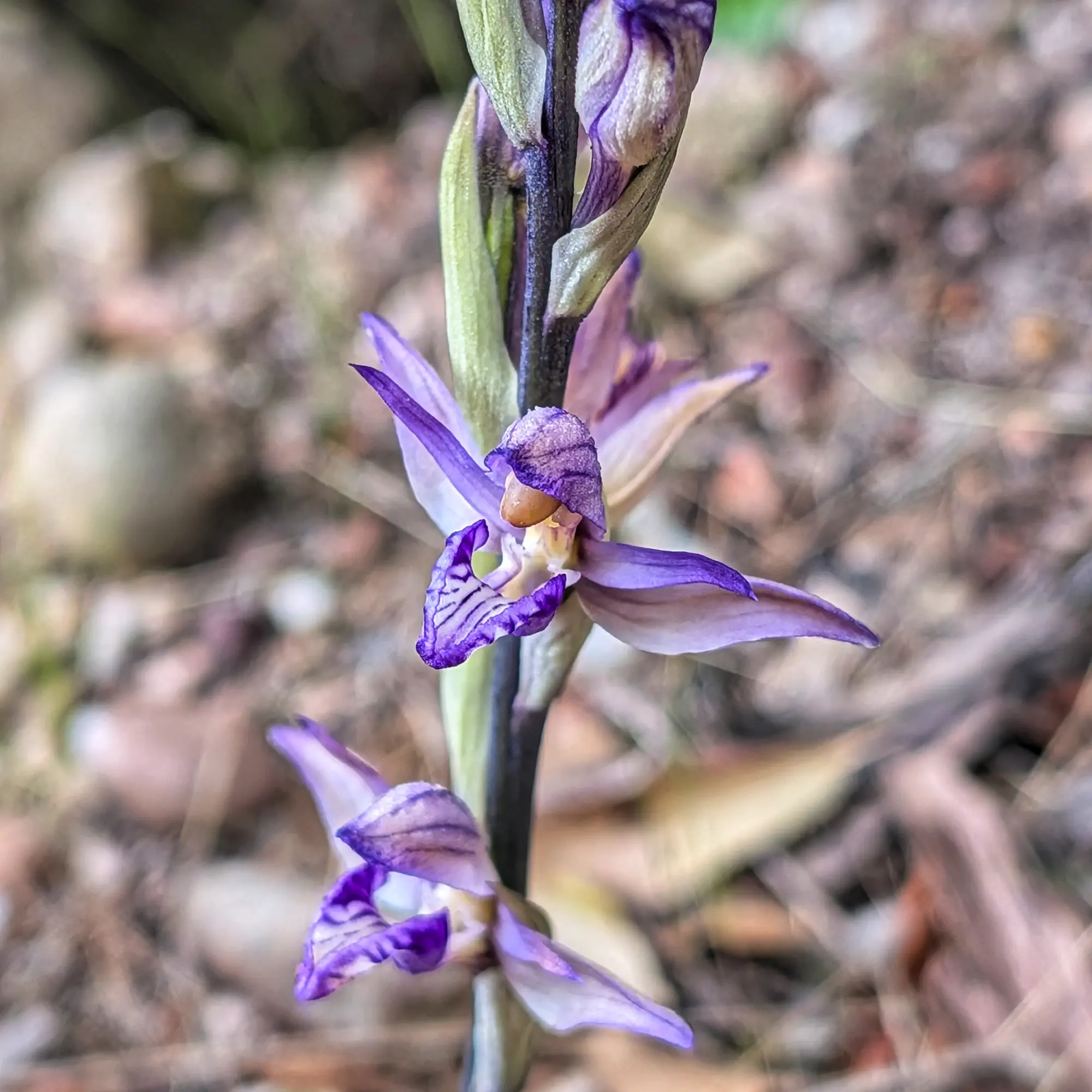
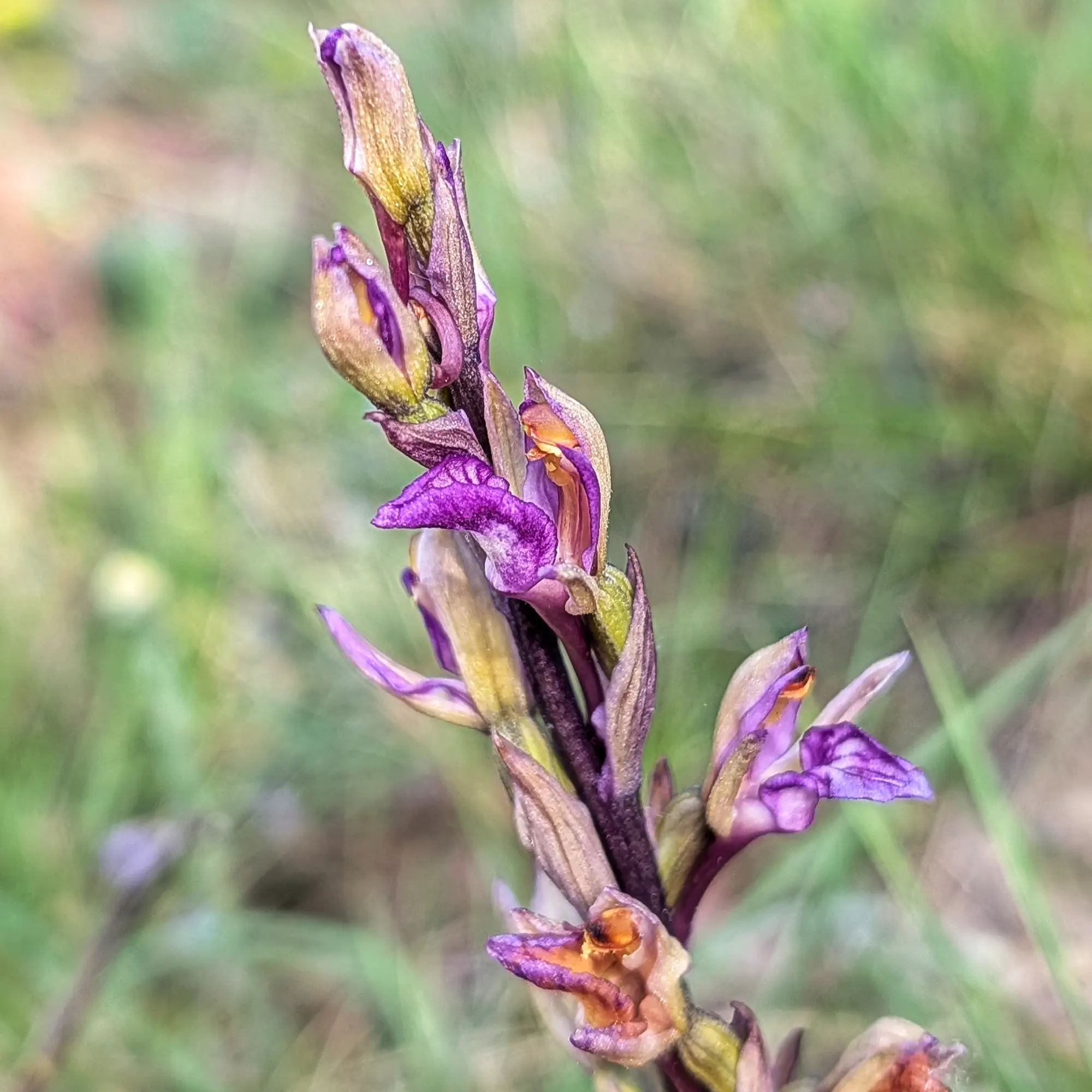
This lack of chlorophyll gives the entire plant a characteristic dull and purplish color. With thick rhizomes, the plant reaches a height of 20 to 85 cm, featuring an erect, purple stem that resembles a wild asparagus or a broomrape (*Orobanche sp.*) when it emerges. It has no true leaves, which are reduced to simple scales or fleshy bracts embracing the stem. The inflorescence is a spike containing between 7 and 20 large, conspicuous violet flowers. The sepals are lanceolate and spread outwards. The labellum (lower petal) is wide, concave, with rolled sides and a yellow center. A prominent feature is a long and wide spur (up to 2 cm) directed downwards. The botanical epithet abortivum refers to the fact that its flowers very often do not open much or directly fail to fully unfurl (abort).
It thrives in shady locations with leaf litter (such as pine needles) and sparse herbaceous cover. It is found in open, dry forests like pine forests, holm oak forests, and oak woodlands, as well as garrigue and rush beds. It prefers alkaline or calcareous soils, from sea level up to 1,300 m in altitude. Its distribution is widespread across the Mediterranean area and continental Europe, reaching as far north as Belgium, southern Germany, and Poland, and east to Western Asia and the Caucasus region. In Catalonia, it is a common species with a broad distribution, especially in the Coastal and Pre-Coastal mountain ranges.
Flowering occurs in spring, from April to July, with particular intensity between May and June. Cross-pollination is primarily carried out by solitary bees and bumblebees (genera Anthophora, Bombus, Anthidium, and Lasioglossum), which delve in to drink nectar from the spur. In adverse climatic conditions, flowers may remain closed, resorting to self-pollination (autogamy). Its seedlings develop very slowly underground for 8 to 10 years before emerging to flower. Regarding conservation, it is classified as Near Threatened (NT - Near threatened) by the UICN in some countries (e.g., Switzerland, where it is fully protected) and is protected by CITES Appendix II and EU Annex B. Major threats include destructive forestry practices (especially during flowering), excessive scrub invasion, and damage from wild boars rooting for tubers.
Gallery
Related observations
Discover the observations I've made of this species.