Ophrys scolopax
About the Orchid
The Ophrys scolopax, commonly known as the Woodcock Bee-orchid, is a terrestrial and monopodial orchid species belonging to the subtribe Orchidinae within the Orchidaceae family. It is highly valued for the beauty of its flowers and its remarkable mimetic abilities, flowering mainly in spring, from mid-March to late April or even June, depending on the habitat.
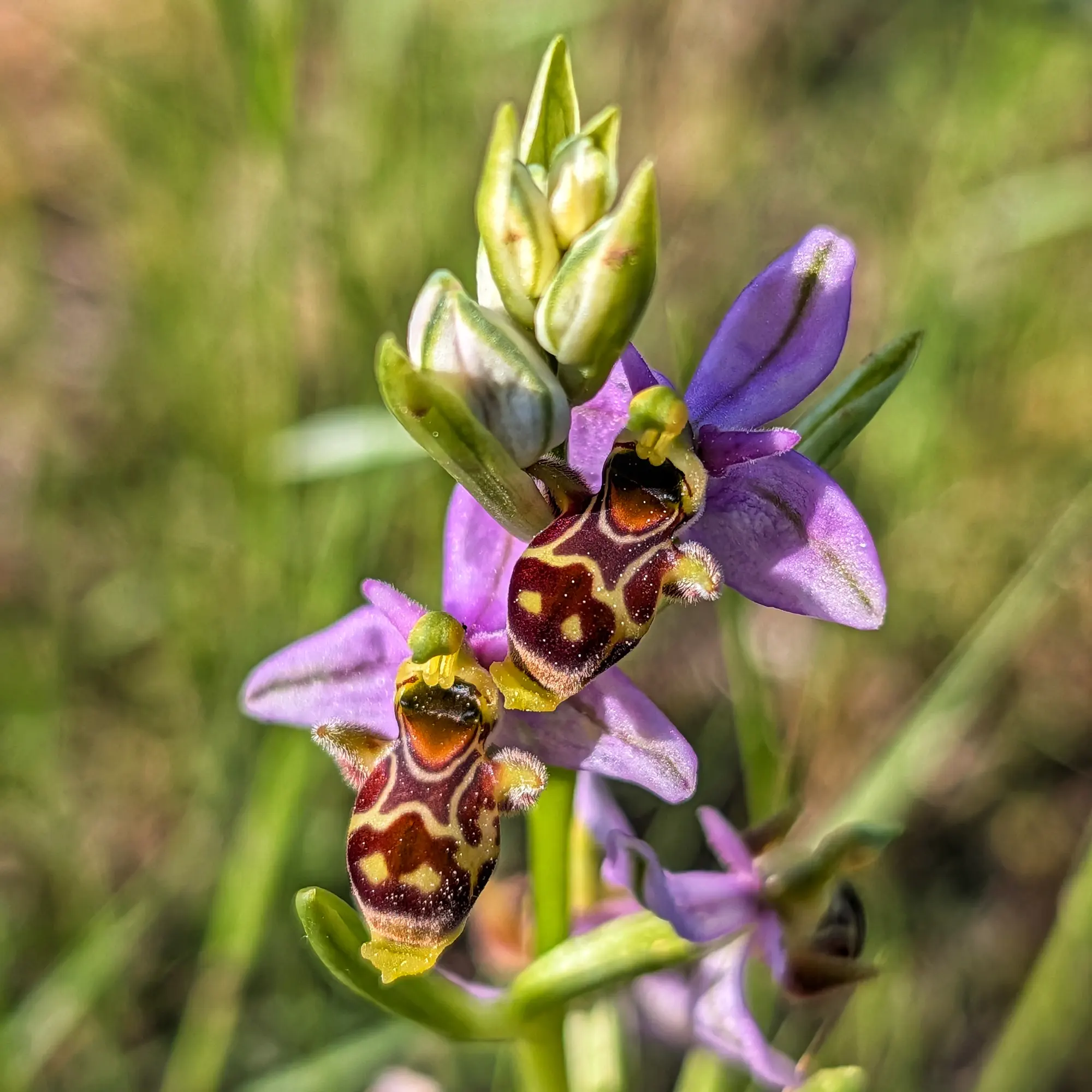
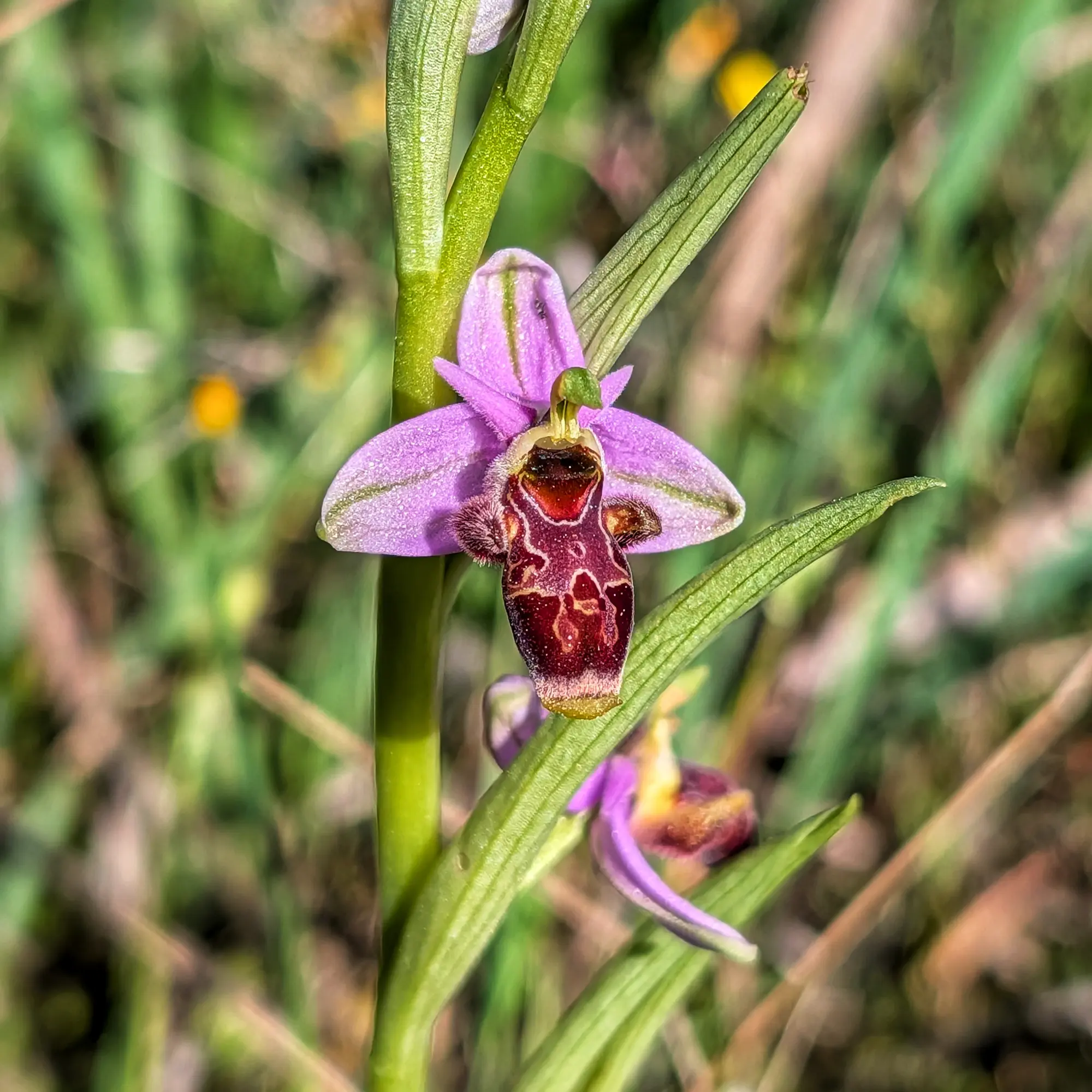
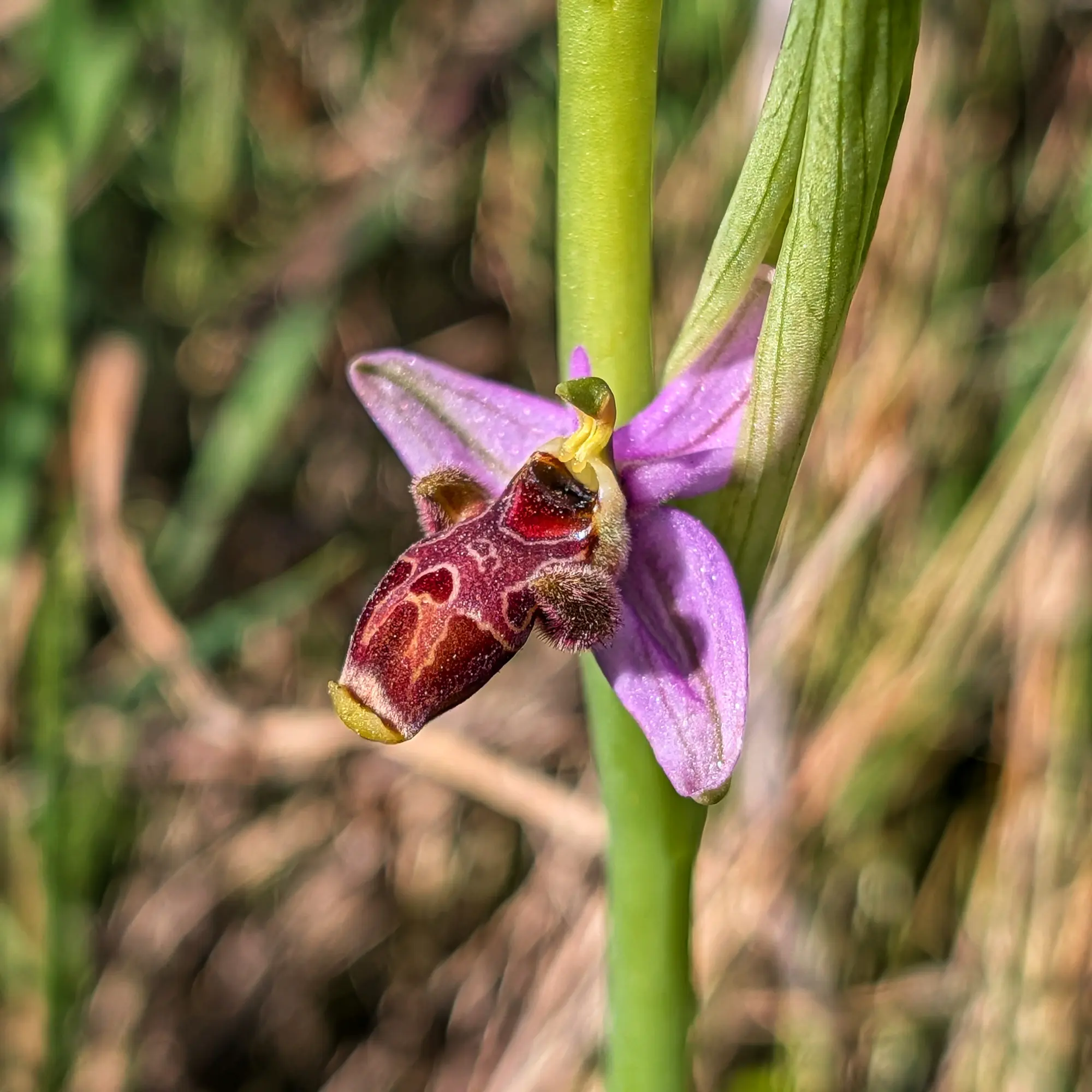
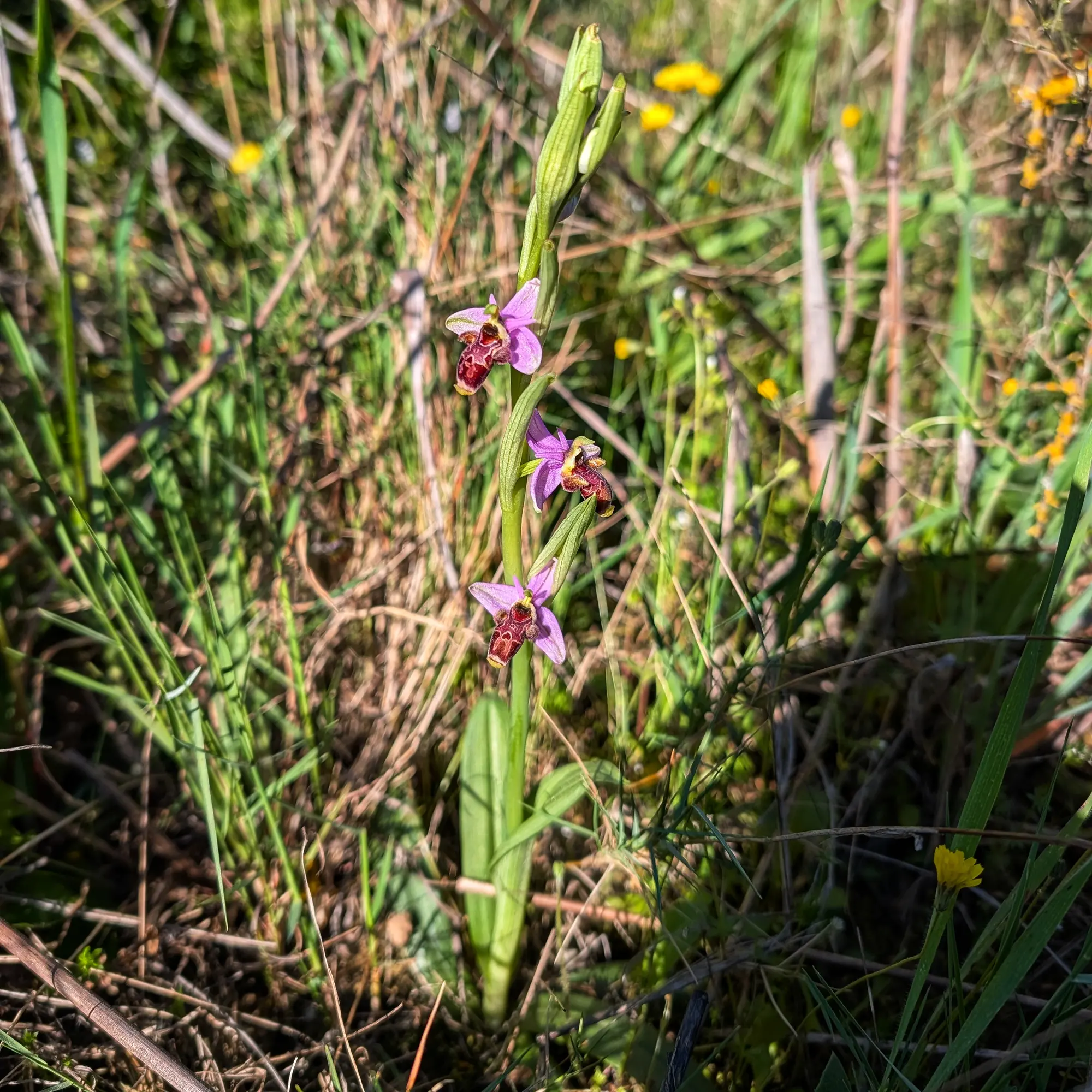
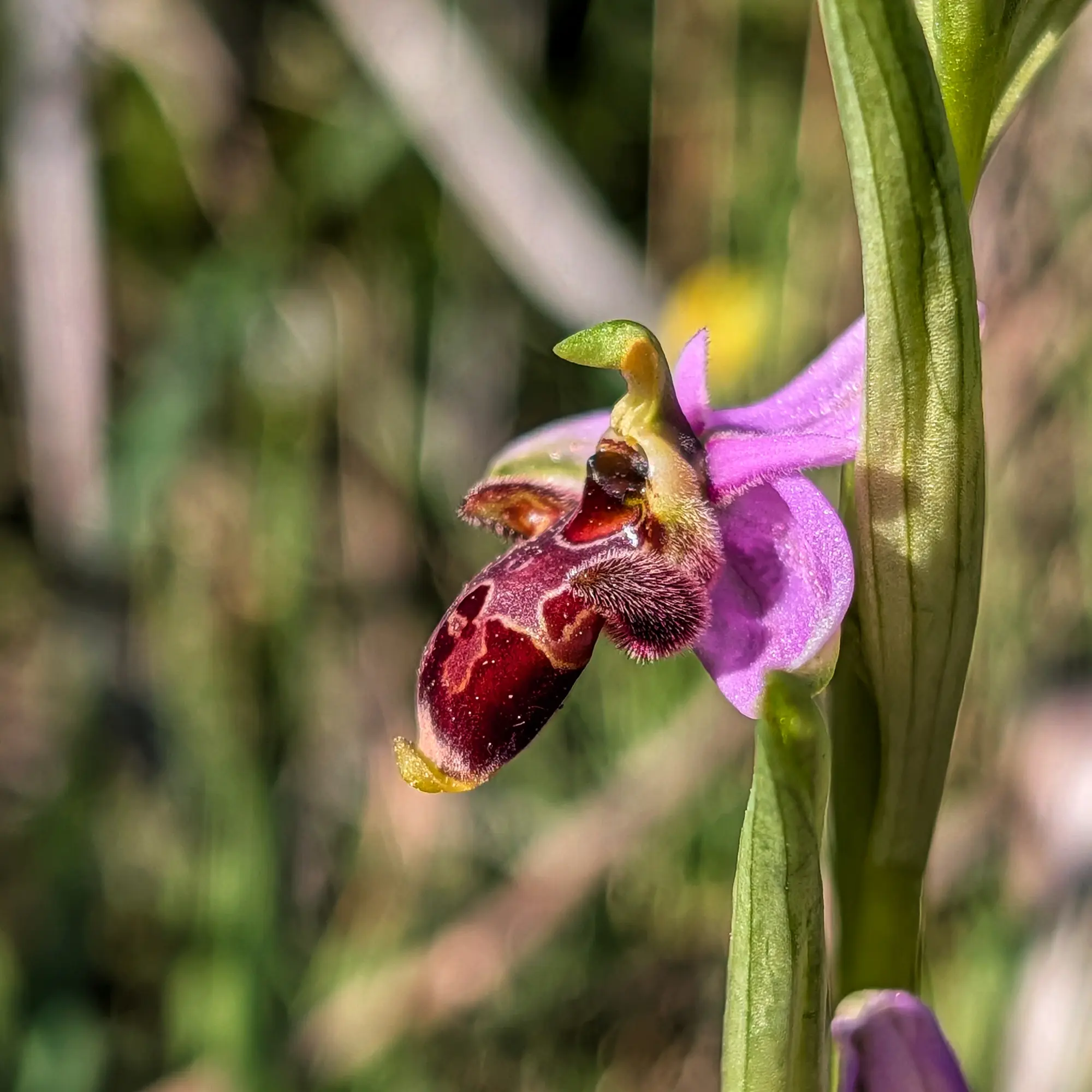
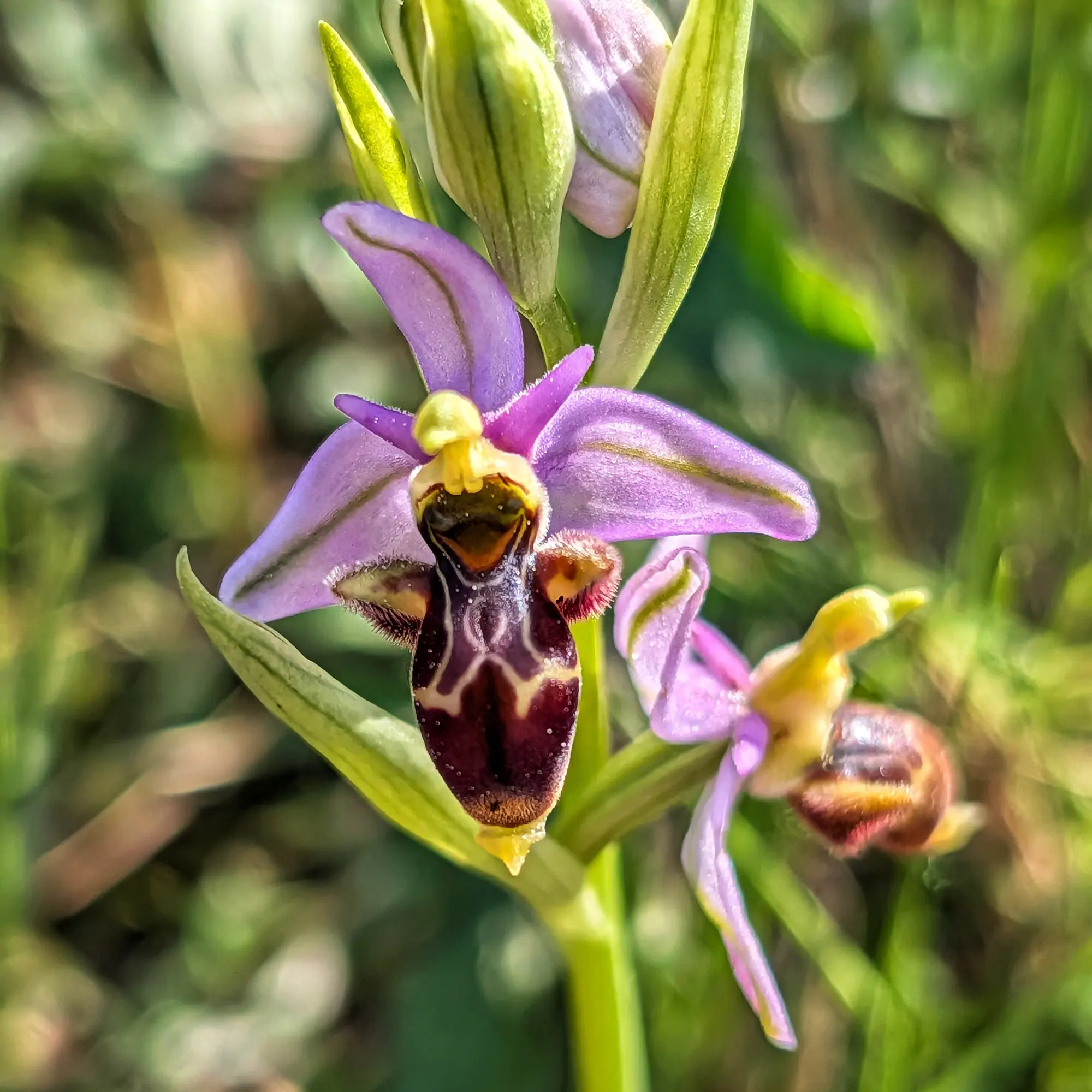
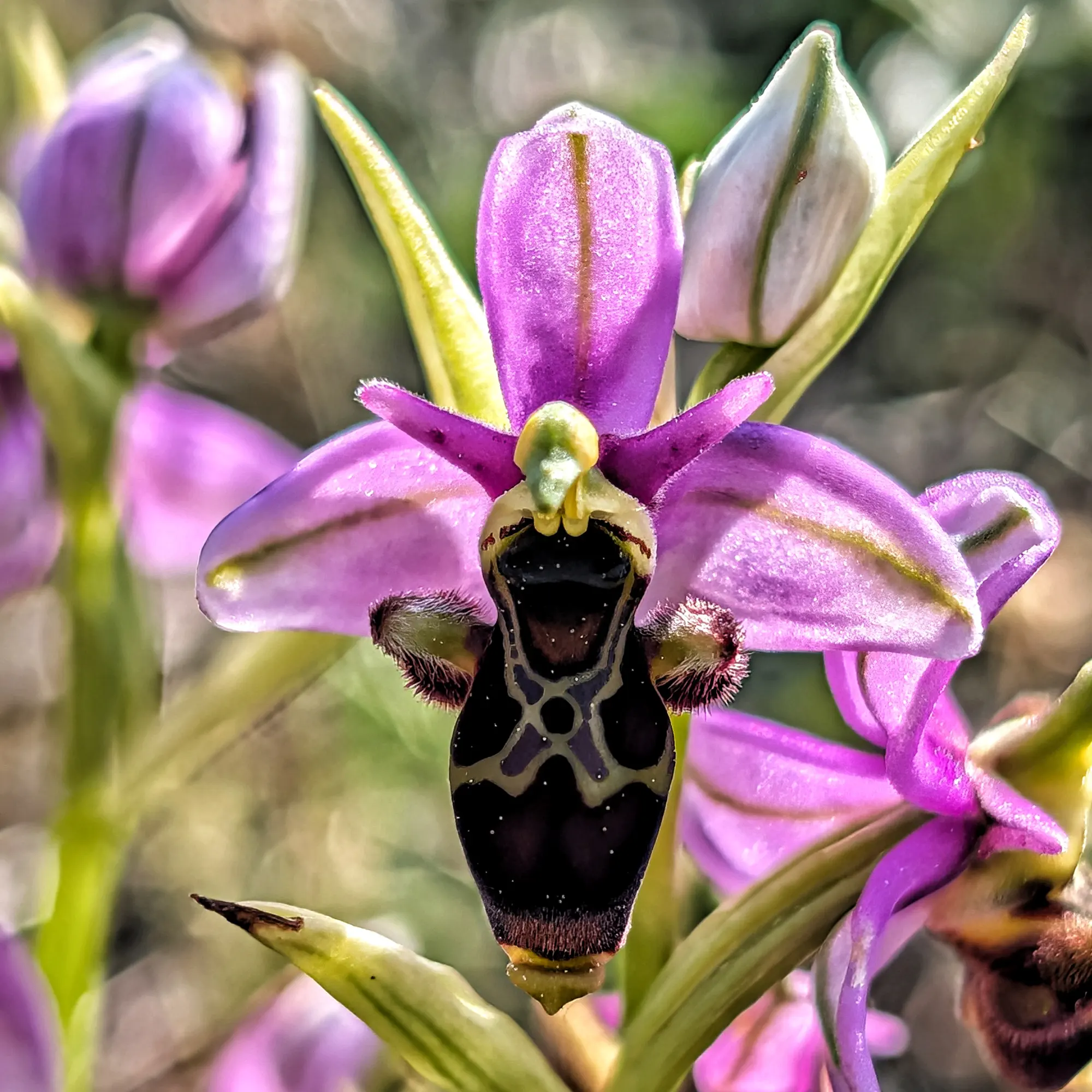
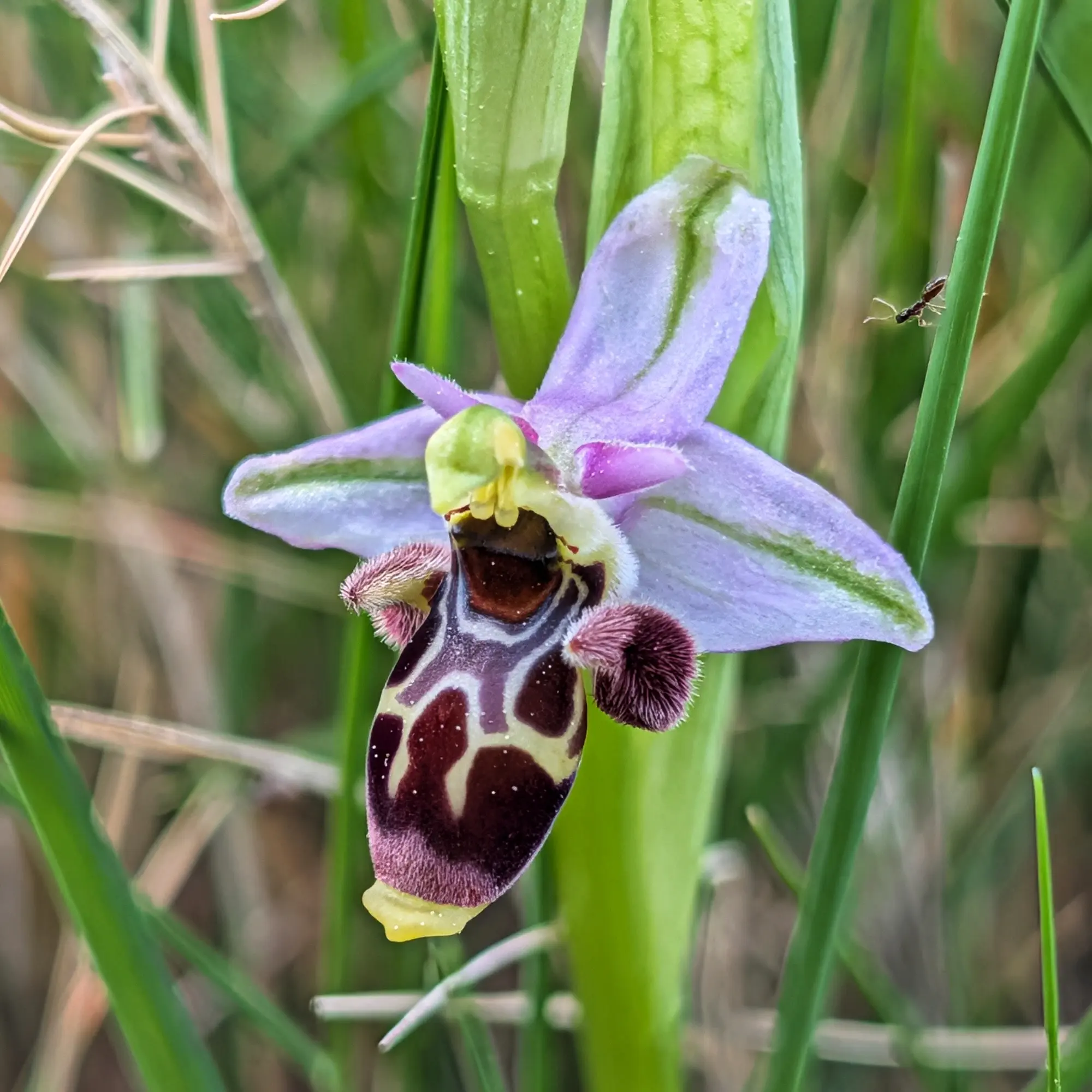
Morphological Description and Life Cycle: It is a perennial plant that spends the summer dormant as an underground *tuber* or bulb. In late autumn, it begins to develop a basal rosette with 5 or 6 lanceolate leaves. By the time the floral stem develops in spring, these leaves start to wither and yellow. The plant typically grows between 10 and 50 cm tall, exceptionally reaching 90 cm. The *inflorescence* can bear between 2 and 15 flowers. These flowers have three outer *sepals* (ranging from white to violet or green) and elongated lateral *petals* (pink to violet) that mimic insect wings. The most striking feature is the labellum (the modified lower petal): 13 to 18 mm long, trilobed, velvety, elongated, and convex. It displays a dark brown or purple color with lateral lobes covered in fine hairs to mimic an insect's abdomen, and a central lobe exhibiting a blue or violet *speculum* mark in the shape of an "H" or "X", surrounded by a white or yellowish border. Additionally, it has a greenish-yellow *apical appendage* pointing upwards.
Pollination and Ecology: This orchid is highly dependent on a symbiotic relationship with soil fungi for nutrients, which makes its cultivation outside its natural habitat very difficult. It reproduces through a phenomenon called pseudocopulation or sexual deception. The orchid mimics the females of solitary bees visually, tactilely, and by releasing false pheromones. Attracted by the lure, male Hymenoptera such as Eucera elongatula and Eucera barbiventris attempt to mate with the labellum and, as a result of this friction, they pick up or deposit the flower's pollen. This highly specific strategy often results in a low percentage of fertilization or fruit formation compared to other orchids (estimated around 10.4% in nature).
Habitat and Distribution: Ophrys scolopax is closely linked to the Mediterranean region. It grows in a wide variety of luminous habitats such as meadows, *garrigues*, scrublands, olive groves, and open woodlands (oak or pine forests). Tolerant to summer drought, it generally thrives on calcareous and basic substrates (though occasionally found in acidic soils) from sea level up to mountainous areas of 2000 meters in altitude. Its distribution area is very extensive, covering North Africa (Morocco, Algeria, Tunisia) and a large part of Southern Europe (Portugal, Spain, France, Italy, Greece, Balkans), extending eastward to Hungary, Romania, Turkey, the Caucasus region, and Iran.
Conservation Status: Globally, Ophrys scolopax is listed as a species of Least Concern on the IUCN Red List of Threatened Species, due to its large distribution area. However, locally, certain populations are considered threatened due to human factors such as habitat loss or direct extraction. The species particularly suffers from illegal collection by people attracted by the strange beauty of its flowers, leading to the establishment of awareness programs and campaigns to prevent its plundering, and special protection figures such as "micro-reserves" in specific areas of its territory, such as in the Arribes del Duero Natural Park.
Gallery
Related observations
Discover the observations I've made of this species.