Spiranthes aestivalis
About the Orchid
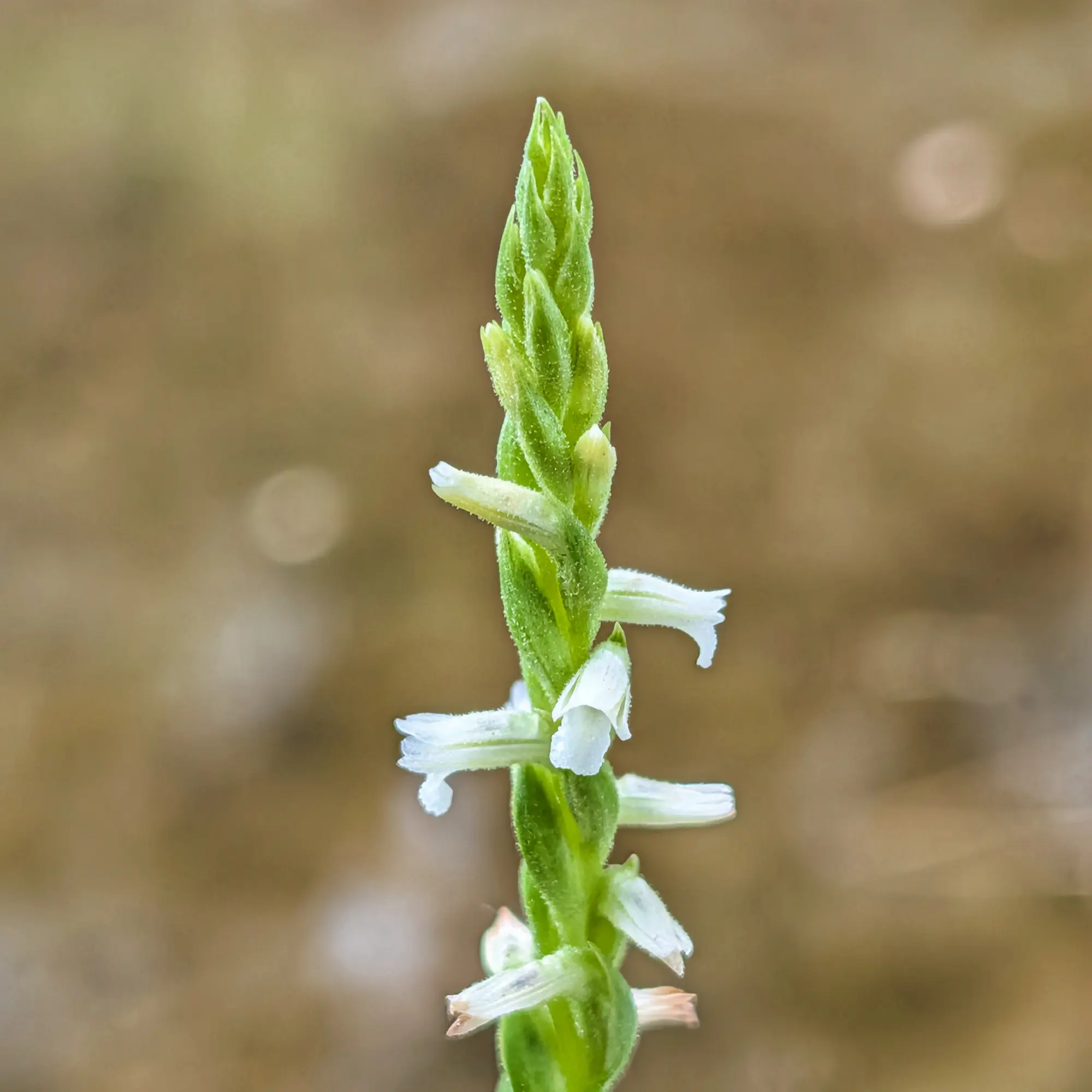
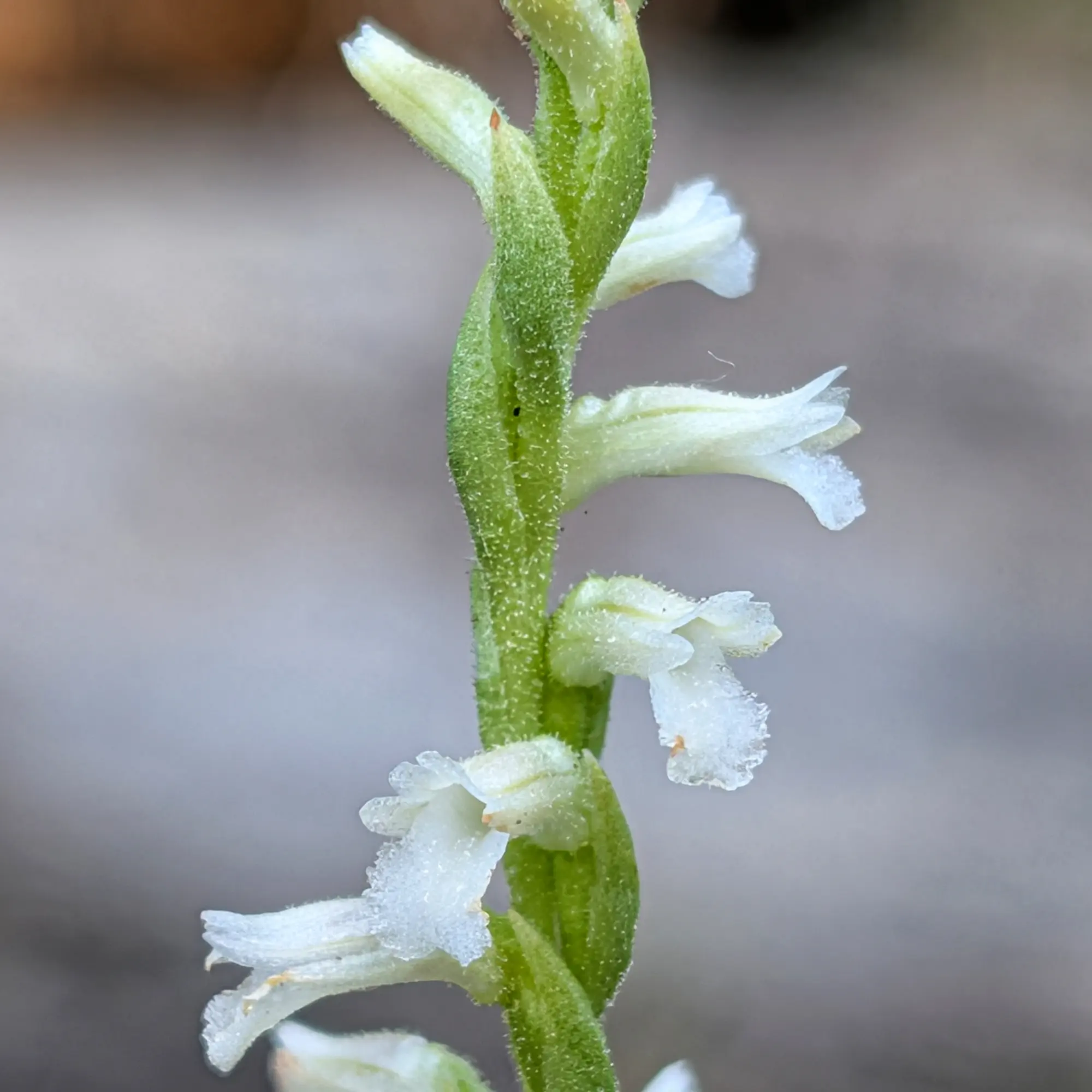
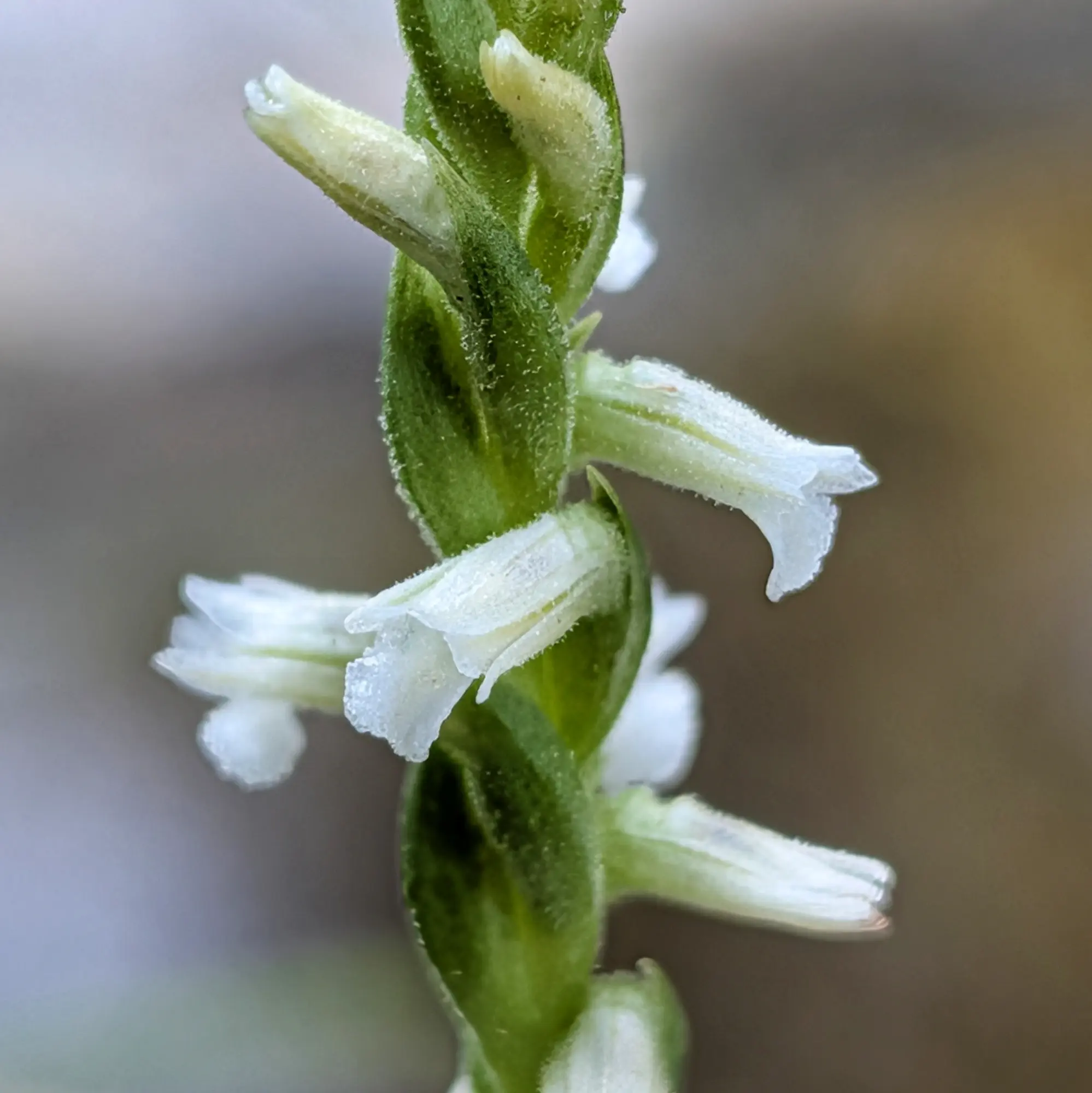
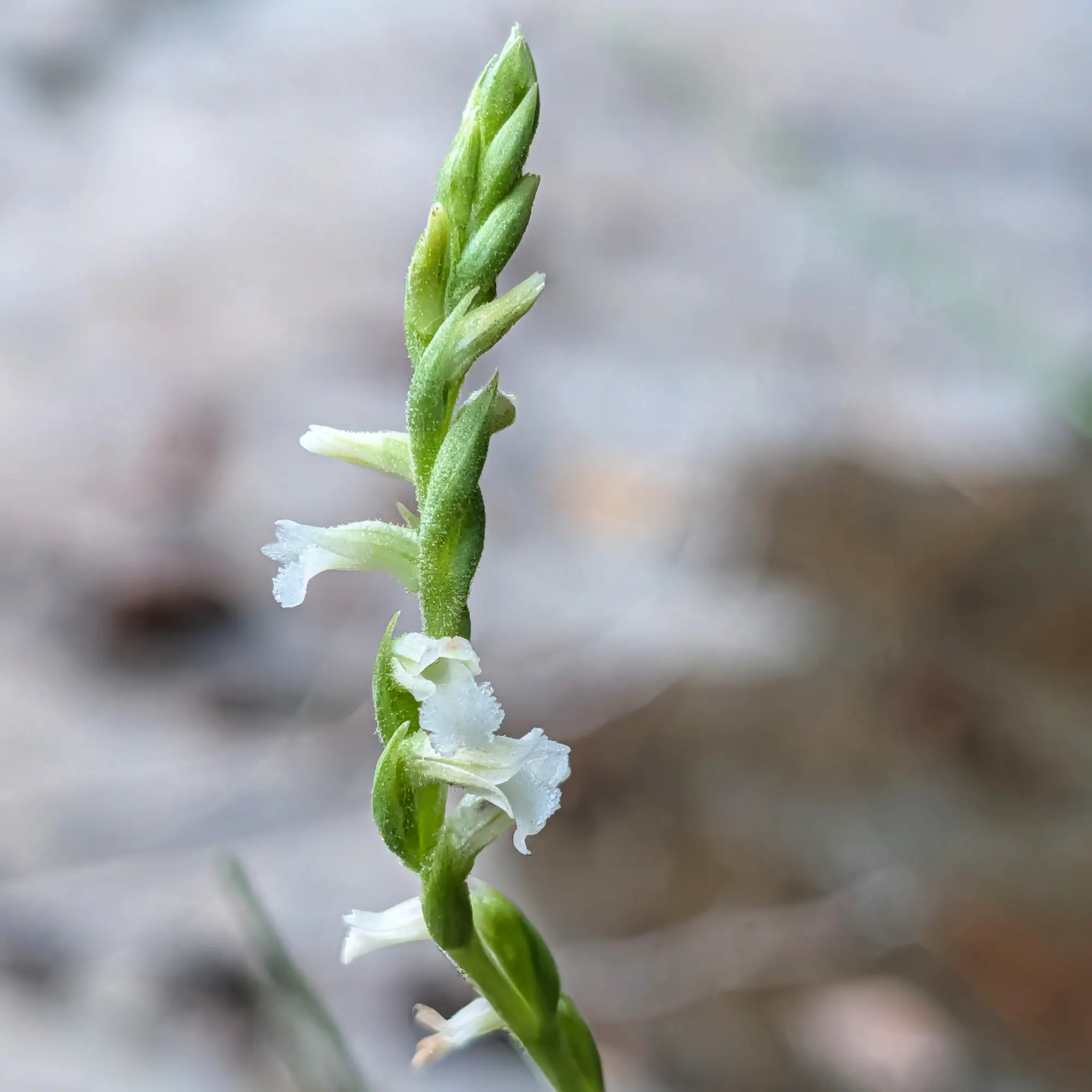
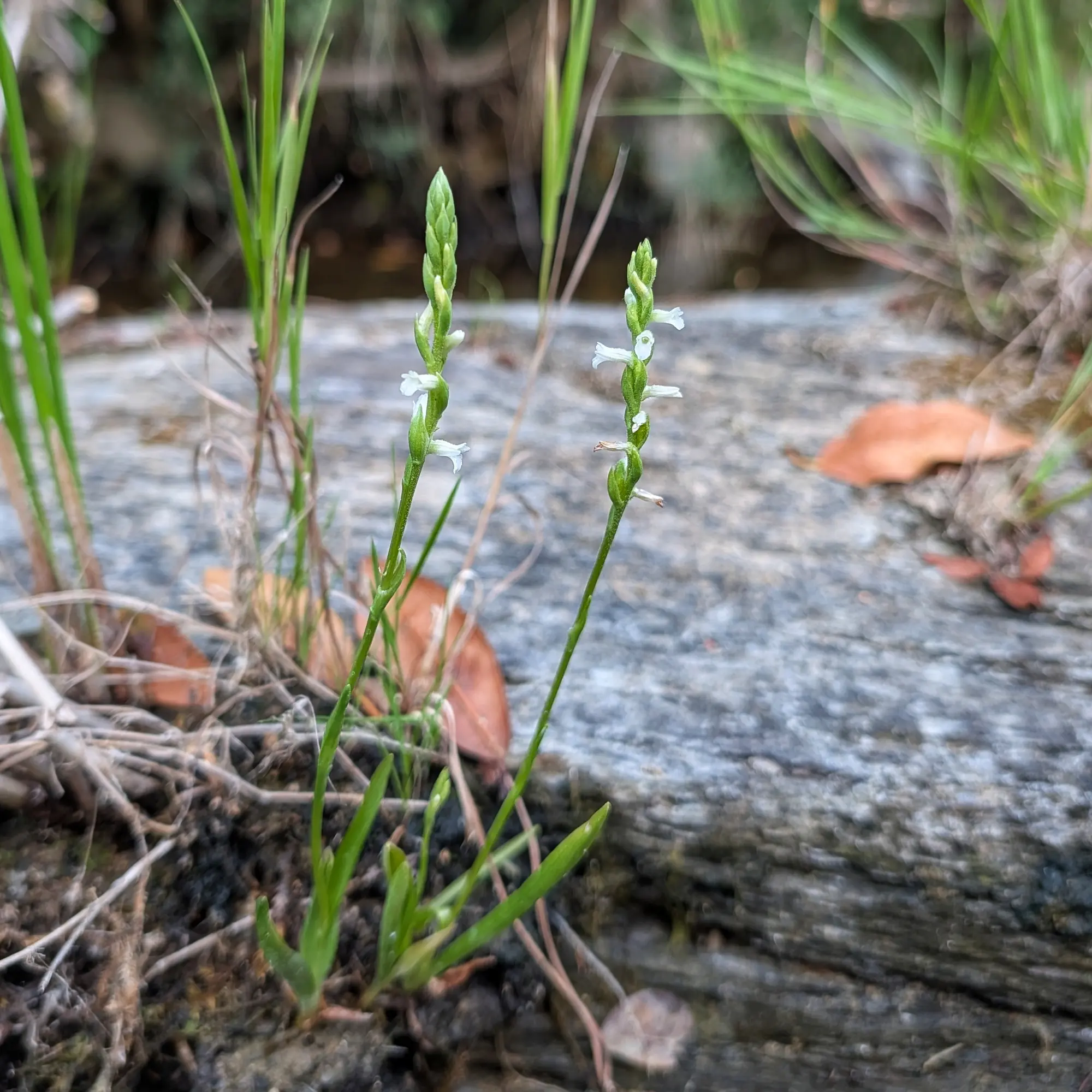
The Spiranthes aestivalis is a perennial, autotrophic herbaceous plant belonging to the orchid family (Orchidaceae). It is a very striking species due to its small white flowers, which are arranged helically, forming a spiral around the stem. It is a slender plant reaching a height of 10 to 40 cm.
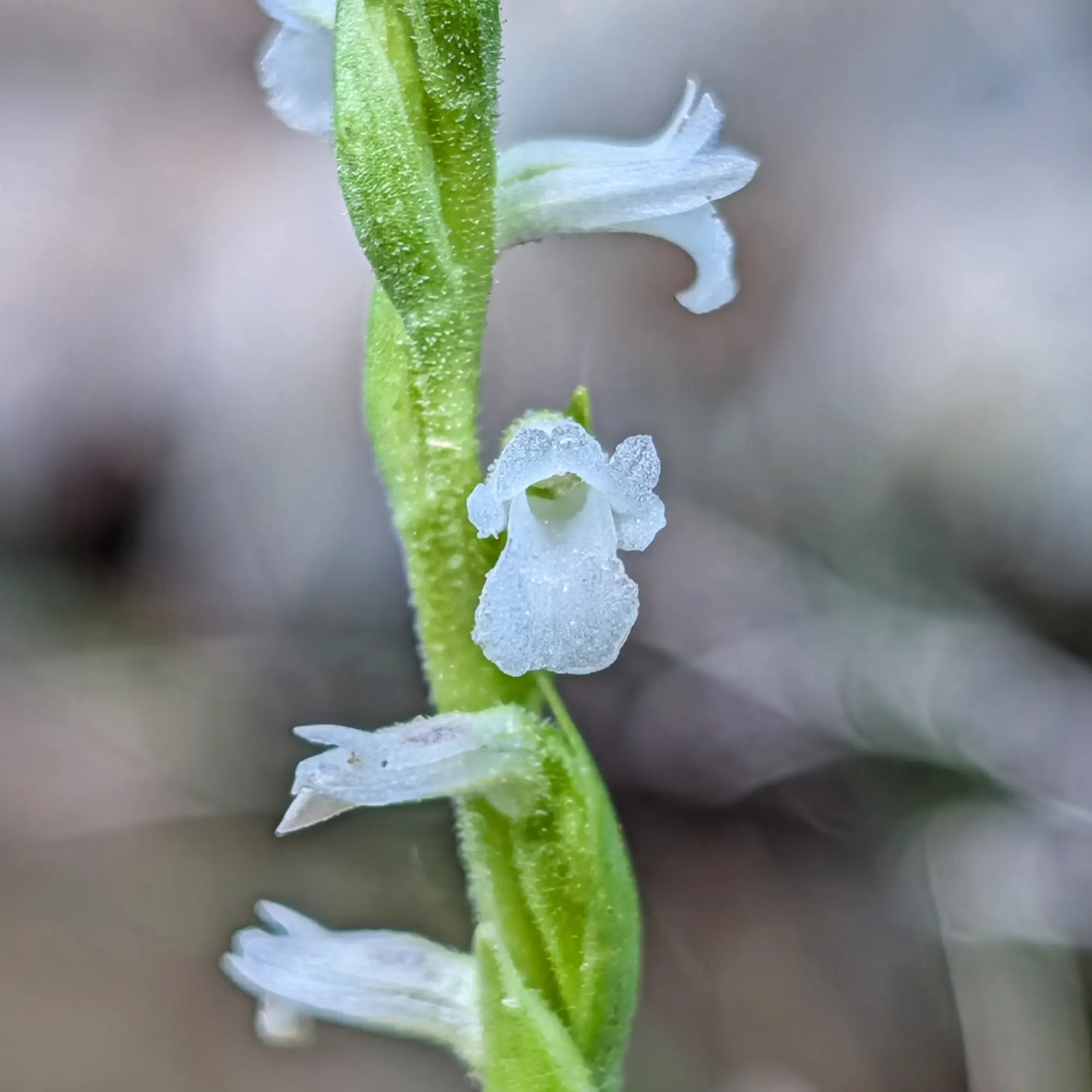
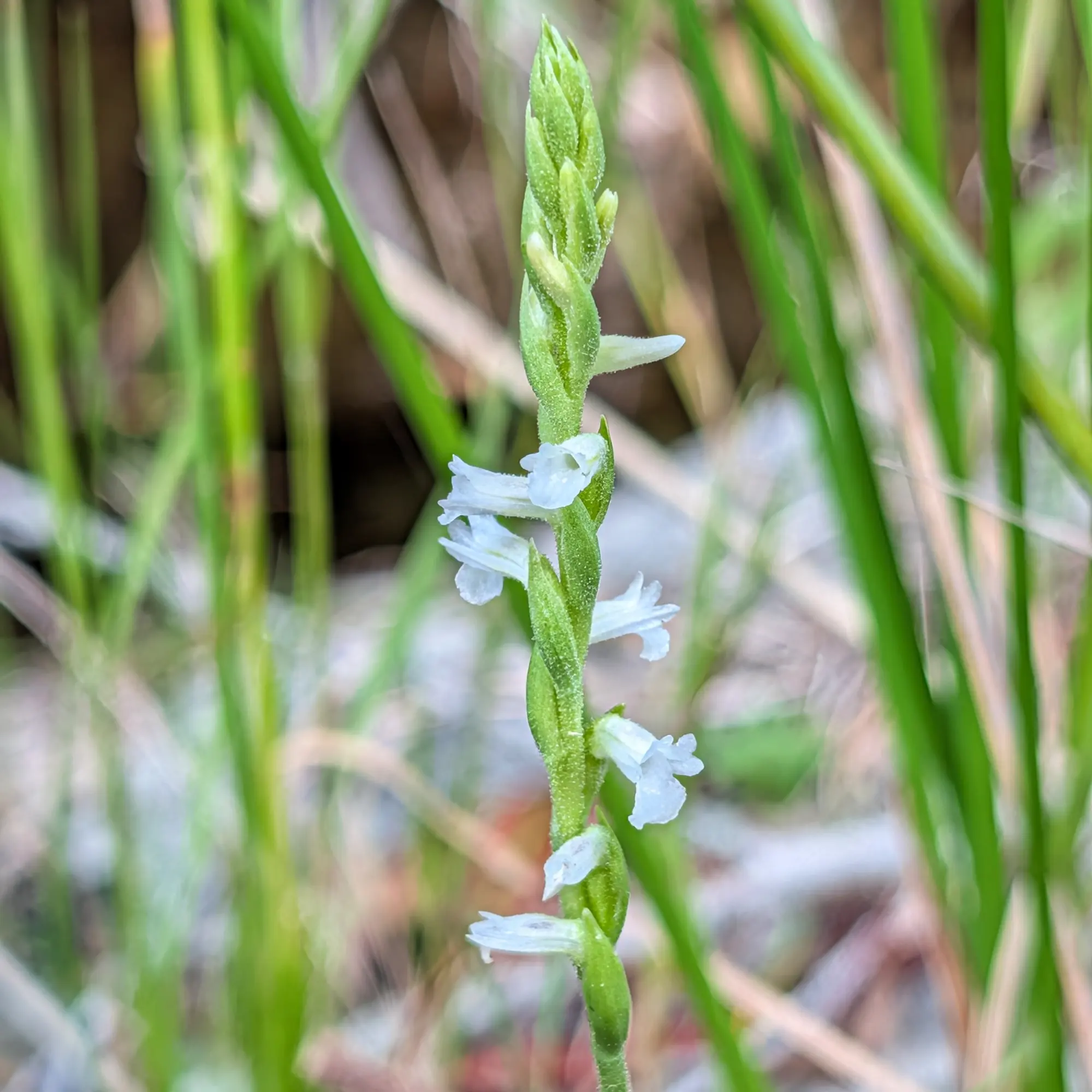
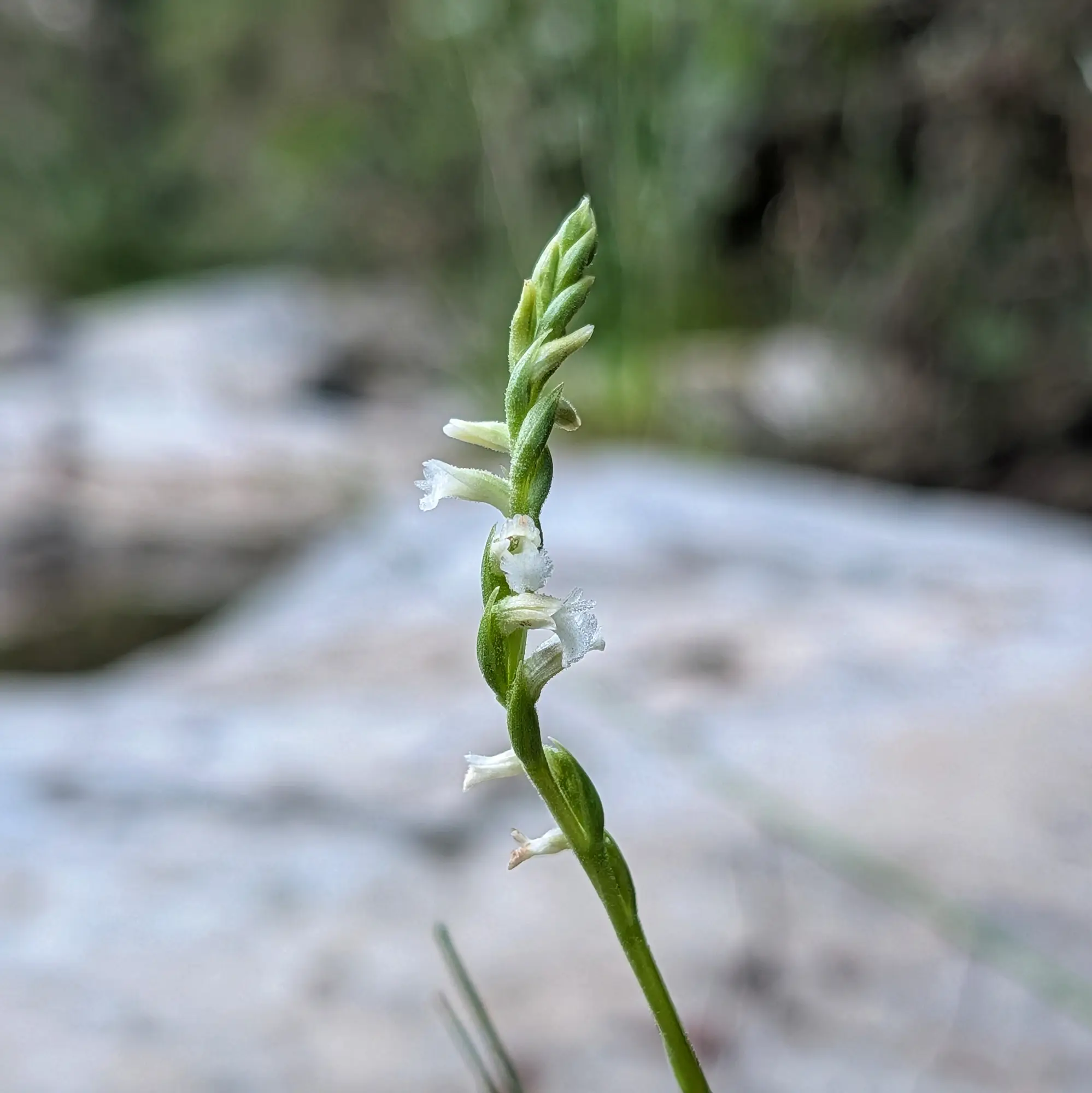
Morphological description: The plant features between 2 and 5 napiform subterranean tubers that serve as reserves. From the base, an erect, cylindrical, smooth, and generally glabrous stem rises. The leaves are long (up to 12 cm), narrowly lanceolate (or linear-lanceolate), and glaucous in color. Most are grouped in a basal rosette from which the inflorescence emerges; stem leaves decrease in size as they ascend. The inflorescence is a terminal spike with a twisted axis where 6 to 20 whitish, tubular flowers covered by glandular hairs are gathered. Unlike other species such as S. spiralis, it has free lateral sepals. The lower petal, the labellum, lacks a spur, is slightly notched at the tip, and has a pronounced downward curve. The fruit is an elliptical, erect capsule, traversed by three ribs, containing tiny (up to 4 mm) seeds dispersed by wind (anemochory).
Pollination and life cycle: It is an allogamous orchid with hermaphroditic flowers. Its pollination is entomogamous (zoophilous), carried out by insects such as the honey bee (Apis mellifera), the bumblebee (Bombus terrestris), and dipterans (Sphaerophoria cf. scripta). It also has the ability for vegetative reproduction through tuber fragmentation. Its life cycle is marked by a purely summer flowering period, which begins in June or July, with fruiting extending until August and, exceptionally, October.
Habitat and distribution: This is a completely heliophilous plant, requiring open areas with abundant light. It prefers very humid environments: peat bogs, hygroturbous zones, spring margins, rush beds, flood meadows, and even backshores and dune depressions near the sea. It grows in neutro-basophilous, oligotrophic or mesotrophic substrates, from sea level up to 1,600 meters in altitude. It is sparsely distributed across central, southern, and western Europe (extending north to Denmark), including the Mediterranean coasts of North Africa and Asia Minor. In the Iberian Peninsula, it is irregularly present, being somewhat more abundant in the northern third and in the west. In the Catalan Countries, it is found predominantly in lowlands and montane zones.
Conservation status: Currently, Spiranthes aestivalis is a species in severe global decline, as it depends on highly fragile water-related environments. The destruction of its natural habitat (drainage for agricultural or urban purposes) has led it to be considered completely extinct in countries like the United Kingdom (since 1952), Belgium, and the Netherlands. At the Spanish national level, it has been classified as "Near Threatened" (NT) by the IUCN, and in Catalonia, Galicia, and the Basque Country as "Vulnerable". In Navarre, it has been proposed as "Critically Endangered". It is legally protected by Annex IV of the EU Habitats Directive and Annex I of the Bern Convention. Its main threats include hydrological alteration, surface water pollution, and livestock-related factors (both overgrazing and abandonment of pastures).
Gallery
Related observations
Discover the observations I've made of this species.